
Nairobi National Park is wheaten savannah, forested gullies and cloud crusted blue skies. It is the roar of lions, the sputter of mud on a buffalo’s haunches and vultures floating over tepid waters. It is is the only park in the whole world that has all of safari’s most famous animals and yet it is located within the boundaries of a capital city.
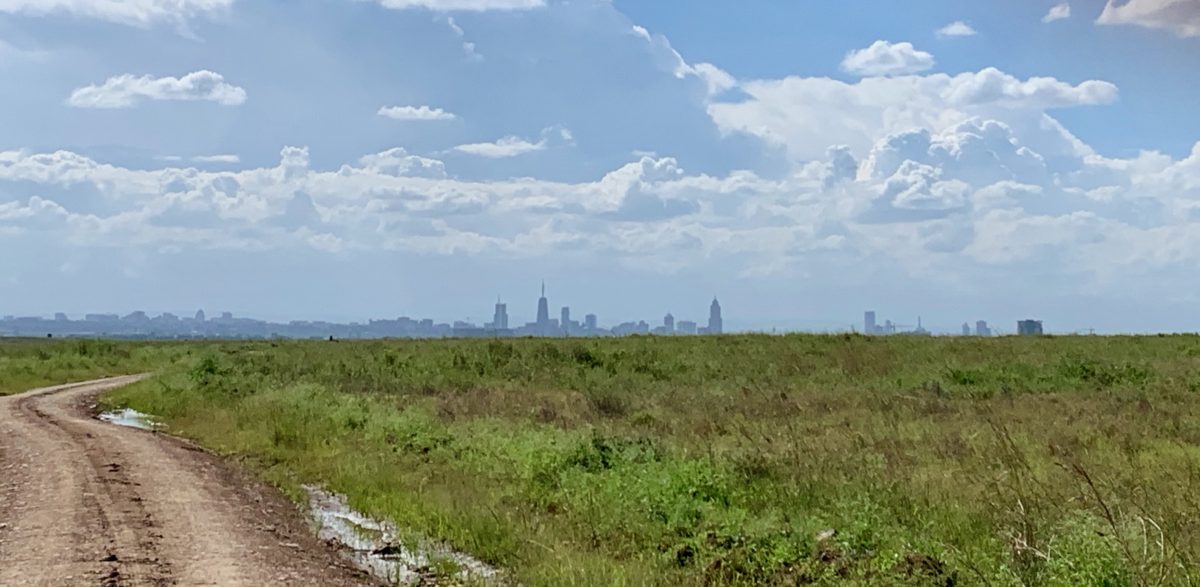
Nairobi National Park is adjacent to a motorway, train stations, residential housing and the nearby skyscrapers of the Nairobi skyline, yet cross into the park and you could be a million miles away from Kenya’s urban jungle. Lion, rhino, leopard and buffalo have made this park their home. In fact, this week, elephants entered the park for the first time in years, making it possible to see all the Big 5 just a few minutes drive from your hotel or home.

Can I see the Big 5 in Nairobi National Park?
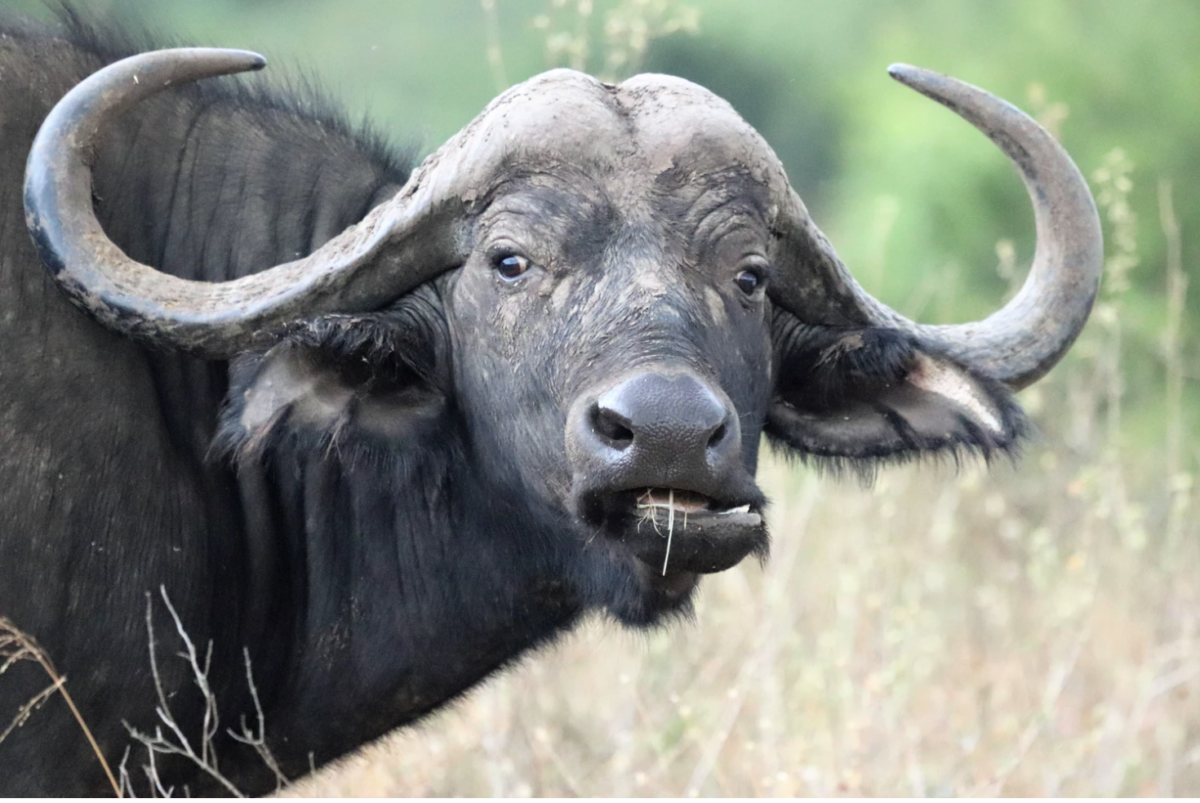
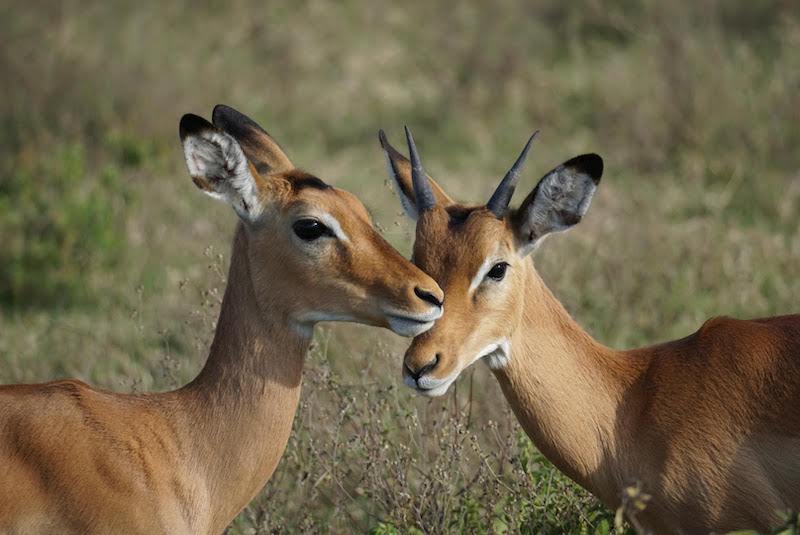
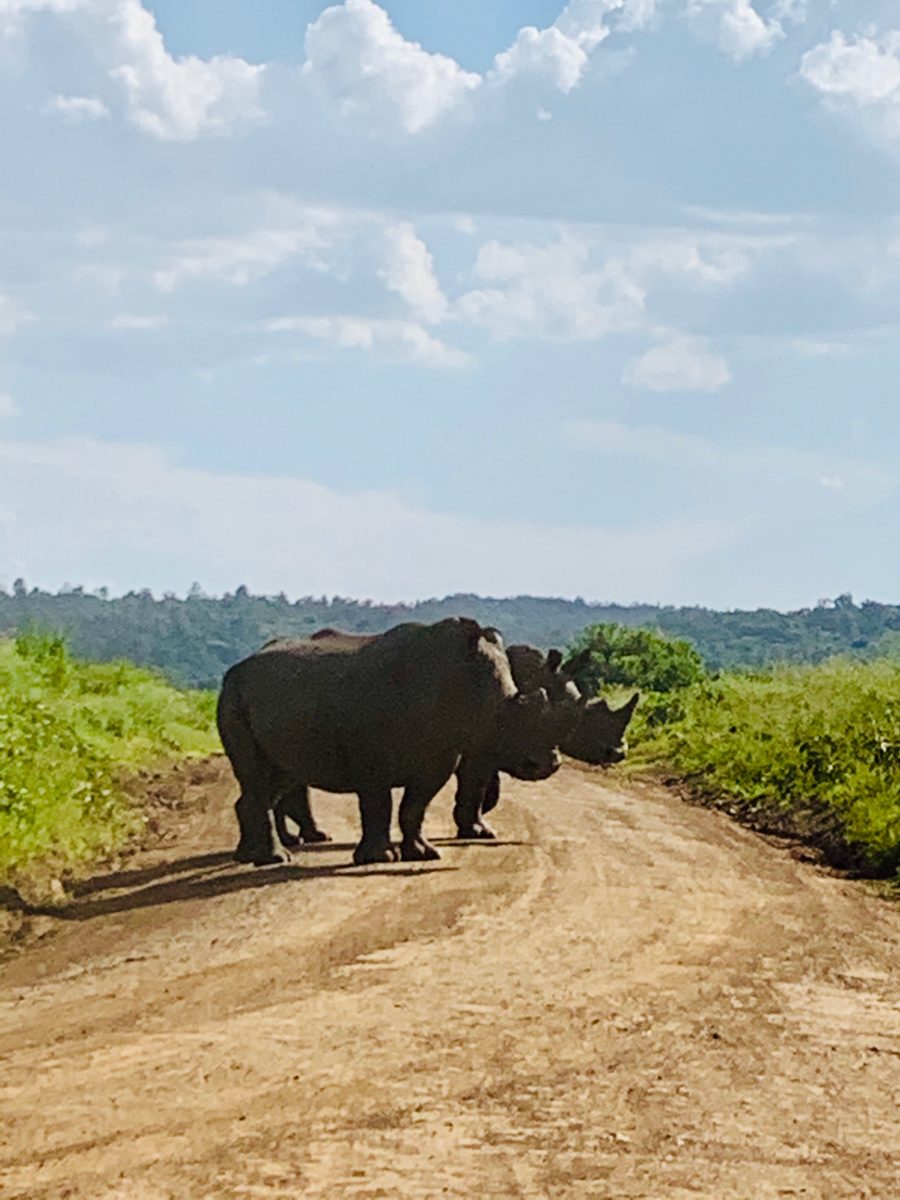
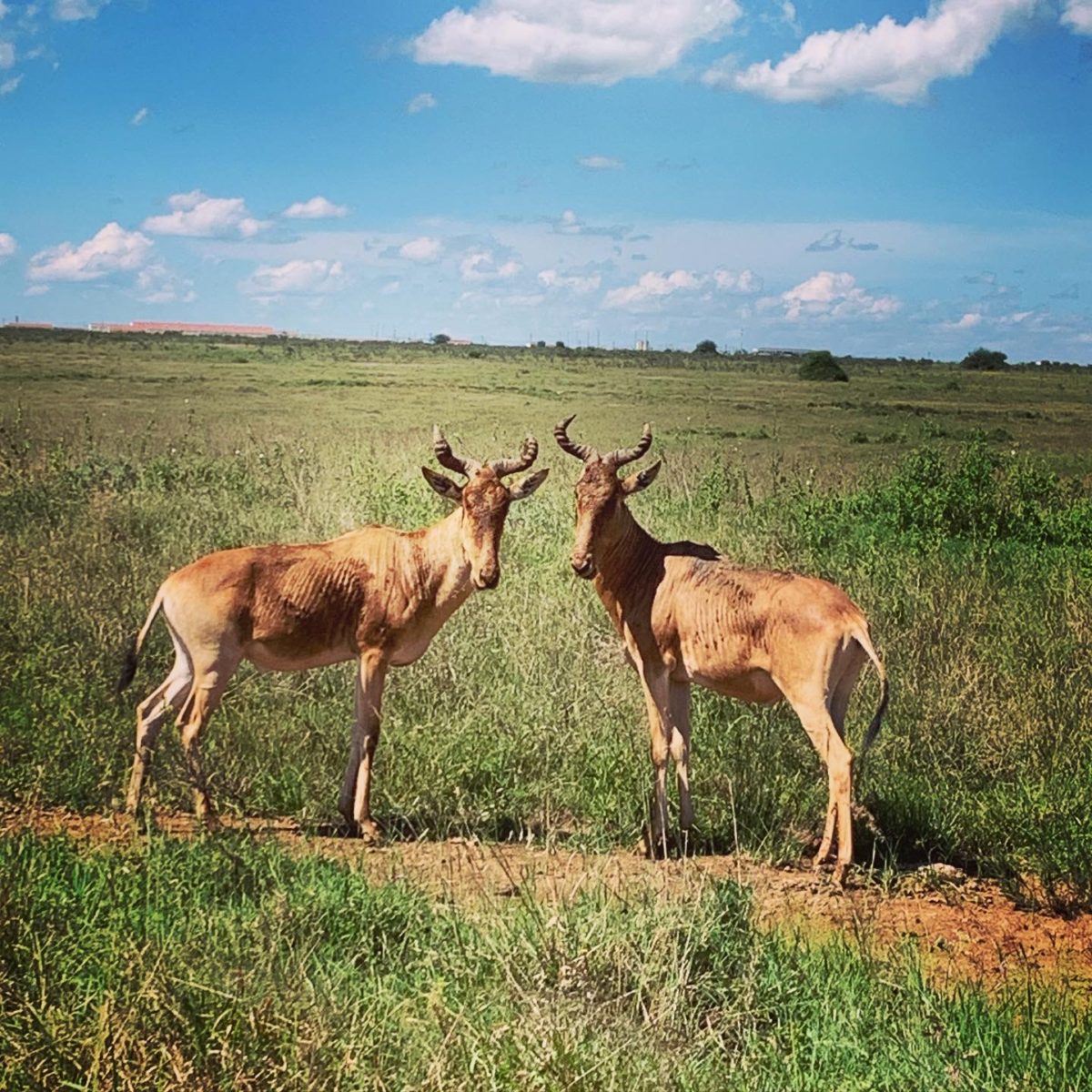
You can get hair-raisingly close to 4 of the Big 5 in Nairobi National Park; lion, buffalo, rhino and leopard are all frequently sighted. Until a few years ago elephants were here too, but frequent human-wildlife conflict made it necessary for their safe and continued removal from the park. But Nairobi National Park is so much more than the Big 5. The park boasts at least 80 species of animal: cheetah, hyena, impala, crocodiles, zebra, giraffe, ostrich, hippo, hartebeest, vultures, eagles and many call this park their home. And make no mistake, Nairobi National Park isn’t a zoo, or western style safari park, this is the real thing! The animals in Nairobi National Park are completely wild, living in their natural habitat.
What is special about Nairobi National Park
Nairobi National park was founded by British colonists back in 1946 and is the oldest park in Kenya. As the city has grown up around it the animals have persisted, despite decades of humans encroaching on their land and natural migratory routes. Nearby Karen and Langata were rural areas just 10 years ago but now schools, universities, traffic-clogged roads and residential housing line the park on two sides. The most exciting aspect of Nairobi National Park lies far away from the city borders, in Athi. Nairobi National park is fenced on 3 sides but in Athi on the eastern side of the park, there are no fences, allowing animals the freedom to roam in and out of the area. Nairobi National Park connects to the Athi – Kapiti Plains and traditional animals corridors remain intact. The thrill of Nairobi National Park is that you never know what you may find when you visit. How long the animals may continue their ancestral routes continues to be debated. Overgrazing by cattle, demand for more land for housing, and continued conflicts between Kenya’s animal inhabitants and their human counterparts is eating into migration routes. And as Nairobi continues to grow the survival of these animals and their ability to travel will only grow more precarious.
BLOG: KISS A GIRAFFE AT THE GIRAFFE SANCTUARY
What to do in Nairobi National Park?
The undivided joy of safari is simply following your nose and hoping for adventure. If you prefer a route and a routine then there are a few stopping points you can head for.
Nairobi National Park Picnic Sites
Nairobi National Park has several picnic sites where you can stop and break your day up. Mokoiyet, Kingfisher and Impala are the most popular picnic sites, they have tables and thatched bomas for shade. The picnic sites are still open to the animals so make sure to check there isn’t an angry buffalo before you open your sandwiches. There is a KWS clubhouse where you can buy food and drink close to the entrance to the park.
The Ivory Burning Site
The Ivory Burning site is credited as being one of the most important landmarks in animal conservation. Kenya’s animal population has been decimated by poaching, with the tusks of elephants, rhino horns and exotic animals skins fetching huge prices on the black market. In a demonstration that rocked the world, two of Kenya’s presidents have burned the poached tusks of elephants, rhino horn and pelts at the landmark site. In 1989 President Moi burned 11 tons of ivory, while in 2016 Kenyatta burned 100 tonnes (the equivalent of the tusks of 6000 elephants) thus declaring war against poaching. The Ivory Burning site can be visited just inside the gates of Nairobi National Park. A monument is erected to remind the world that Kenya continues in the fight to protect its animals.
Hippo Pools and Nature Trail
The Hippo Pools alongside the Athi River is one of the only places in Nairobi National Park where you can leave your car to stretch your legs. The short guided walk is patrolled by armed officers and gives you the perfect opportunity to breathe in the serenity of the park whilst spotting hippos, crocodiles and terrapins as well as some of the 400 different species of birds.

Where is Nairobi National Park?
Nairobi National Park is located 7km south on Nairobi CBD in the residential area of Langata. The entrance is along Langata road and is impossible to miss.
Climate
Nairobi has a temperate climate marked by two seasons; the wet (April to June and October to November ) and the dry (December to March and July to September). The roads can become quite difficult to navigate during the wet season and it is preferable to ensure you have a 4×4 and that you take note of the rangers number in case you get stuck. In the dry season, a normal car can make it through the park as long as you stick to the main roads.
When to go
Nairobi National Park is open all year round from 6 am – 6 pm (Please note the hours are reduced to 8 am – 5 pm at the time of COVID-19).
The best time to see animals is early morning and evening (dusk). The big cats hunt at night and during the heat of the day, you will be lucky to spot them sleeping in the long grasses.
What to take with you
Bring drinking water, snack, a good camera, binoculars and sunscreen. If you are going in the wet season, a tow rope, shovel, GPS locator and the KWS or ranger numbers are a very good idea.
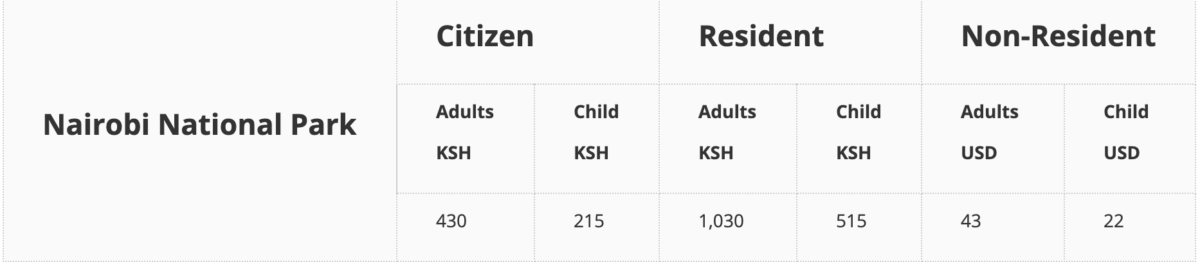
How much does Nairobi National park cost
Can I stay in Nairobi National park?
Nairobi National park has several KWS owned campsites which you can find out more information on here. A smattering of private cottages (also on the KWS site) and the glorious Emakoko.
Where to stay near Nairobi National Park?
The National Park is easiest accessed from Karen/ Langata which is fortunate enough to have some of the best hotels in the city.
Hemingways – Nairobi is one of the best, if not the best, 5* hotels in the city. A plantation style building overlooking the Ngong Hills – a 10 minute drive to Nairobi National Park. Check Prices here
Karen Gables – is along the same road as Hemingways, also offering 5* accommodation but in less formal bed and breakfast. A gorgeous Cape Dutch building with swimming pool gives you a more intimate stay. Check prices here
Kenya Tree House – (same location) is a 3 bedroom private home unlike any other in the world. The treehouse is beautifully decorated in a boho-chic fashion from its twin baths with a chandelier, cozy fireplace and impressive. Check Prices here
The Emakoko – sits on the Athi River side of the park, over looking the park itself and has direct access to Nairobi National Park. A boutique lodge which offers a true safari feel, you can enjoy game drives in the Emakoko car and watch for lions from the safety of your house. Check Prices Here.
BLOG: ESSENTIAL THINGS TO KNOW BEFORE TRAVELLING TO KENYA
Tips for visiting Nairobi National Park
The park is 117 sq km and it can take a long time to travel from one end to the other. Leave enough time to exit the park before the gates shut.
There are signposts throughout the park which you can use to navigate. There aren’t any park maps but you can log on to Google maps and work out the trails and routes from there.
There several dams within the park and these are always fantastic for animal viewing. The dam near 10 is usually full of herbivores and a huge family of vultures and marabou storks.
You can only visit the park in a vehicle. Many local tour companies can take you – check out Get Your Guide for an organised tour. Nairobi national park often organises tours themselves. Look on their website or call to find out the latest.
Do not litter. You wouldn’t believe the mess that is left in some of the picnic sites. This is a pristine wilderness with some of the most endangered animals in the world. Treat the park with respect.
Don’t get out of your car. Not for the loo. Not for a picture. You can be a metre away fro a lion and not see it, and they move a lot faster than you can.
You can always spot crocodiles in the first dam near the park entrance.
Have fun.
David Sheldrick Elephant Orphanage
Not officially part of Nairobi National Park the David Sheldrick Elephant Orphange occupies a small part of its western border and gives you a chance to see elephants in person. The NGO rescues orphaned and injured elephants from all over Kenya and Tanzania and rears and releases them. Elephant orphans have very specific emotional needs; each elephant is assigned a carer who becomes a parent. Visit the orphanage on Magadi Road to see the little elephants being bottle fed, washed, and tucked up into bed with a blanket. You can visit at 11am with the crowds or adopt and elephant and have a far more personal and rewarding experience. Learn how here.

THIRSTING FOR A SAFARI ADVENTURE?
READ THESE EPIC SAFARI STORIES FROM AROUND THE GLOBE
Book Your Kenya Trip – Insider Tips
Find everything you need for visiting Kenya on my TRAVEL RESOURCES page.
Find everything you need for moving to Kenya in my THE EXPAT GUIDE TO LIVING IN NAIROBI book.
- Kenya Accommodation: Booking.com has the cheapest rates for hotels and guest houses in Kenya.
- Accommodation Reviews: TripAdvisor is my go-to portal for checking reviews on accommodation/restaurants in the local area. I never book without checking TripAdvisor first.
- ESIM: Airalo allows you to access the Internet from virtually any country without paying roaming charges
- Car Rental: Rental Cars is managed by Booking.com – guaranteed reliable.
- Tours and Guides in Kenya : Check out Get Your Guide and Viator – reputable companies that do tours within Kenya and East Africa.
- Travel Insurance: Travel insurance will protect you against illness, injury, theft, and cancellations. I recommend Visitors Coverage, which covers you for East Africa and offers ‘special insurance’ for safaris and adventure sports:
- Visitors Coverage
- Compensair – if you have a cancelled or delayed flight, you may get a refund.


Pingback: 2020 guide to the cost of living in Kenya
Pingback: The best safari in Africa for a true wildlife experience | The Expat Mummy
Pingback: Ngong Hills hike, bike, explore - Kenya & Nairobi 2020 | The Expat Mummy
Pingback: Living in Nairobi, Kenya as a British Expat - Robe trotting
Pingback: Kenya Itinerary 10 Days: city, safari and beach | The Expat Mummy
Pingback: Ultimate Africa Hiking - 13 Best off-the-beaten-treks for adventurers - Paula Pins The Planet
Pingback: The Best of Nairobi in 7 Days - A Travel Itinerary & Guide | Magical Kenya
Pingback: 29 things to do in Nairobi, from a local | Live Travel Kenya
Pingback: Kenya Itinerary 10 Days: city, safari and beach | Live Travel Kenya
Pingback: Finding expat housing Nairobi - how to find your Nairobi expat home | Live Travel Kenya
Pingback: Lodges and Camping in Amboseli National Park | Live Travel Kenya
Pingback: 10 Top Tourist Attractions in Kenya | Live Travel Kenya
Pingback: Swara Acacia Lodge - a Nairobi weekend getaway | The Expat Mummy
Pingback: 10 Top Tourist Attractions in Kenya | The Expat Mummy
Pingback: Finding expat housing Nairobi - how to find your Nairobi expat home | The Expat Mummy
Pingback: Cost of Living Kenya 2021 | The Expat Mummy
Pingback: 5 best bars with a view in Nairobi
Pingback: 12 best 5 Star Hotels In Nairobi | The Expat Mummy
Pingback: Lodges and Camping in Amboseli National Park | The Expat Mummy
Pingback: Female Packing List for Kenya | The Expat Mummy
Pingback: 15 Best day trips from Nairobi | The Expat Mummy
Pingback: best hotels in Nairobi - what's hot and what's Not | The Expat Mummy