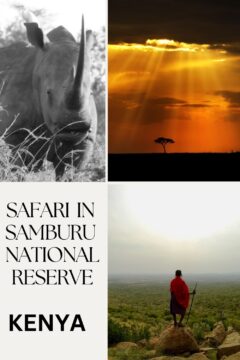
Samburu National Reserve is the gateway to Kenya’s northern frontier. Travel past the iced peaks of Mount Kenya, and Laikipia forested green fields, and you reach the semi-arid landscape of Samburu.
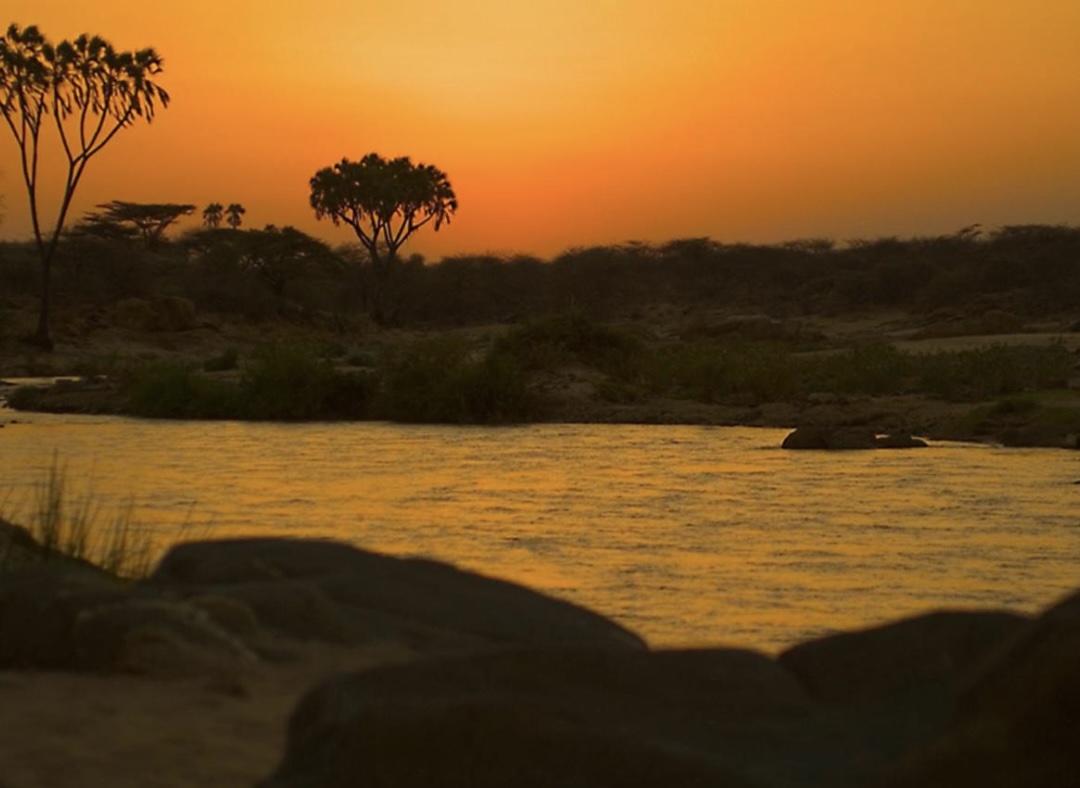
Samburu National Reserve is less visited than other Kenyan safari destinations like the Maasai Mara or Ol Pejeta, but it is worth making the journey north. Most of Safari’s big game animals are in Samburu, alongside rare species that can’t be seen anywhere else in Kenya. The acacia-peppered landscape is scored through by the tree-lined river Ewaso Ng’iro, and adorned with the sacred hump of Mount Ololokwe on the horizon.
Samburu National Reserve is part of a larger ecosystem, which includes Buffalo Springs and Shaba National Reserves. Samburu itself stretches 165 square kilometres, with its neighbouring reserves Buffalo Springs at 131 sq km and Shaba at 239 sq km.
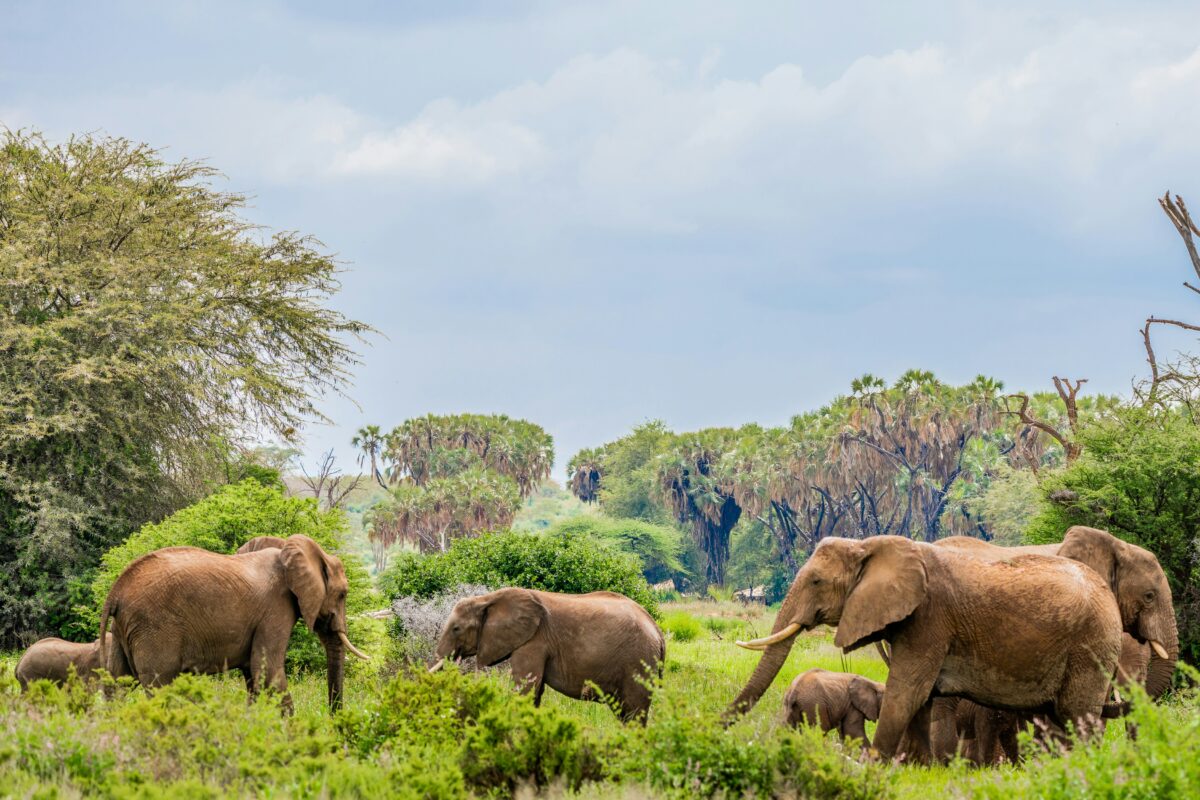
Ewaso Ng’iro River Samburu National Reserve
Several natural landmarks break up its semi-arid landscape, the most notable being the river Ewaso Ng’iro, which stretches 700 km down to the Lorian Swamp wetlands. The Ewaso Ng’iro is a vital source of water for the Samburu area and attracts game in large numbers, especially during the dry season. Game drives along the river offer you the chance to see elephants, lions, leopards, and, of course, crocodiles and hippos.
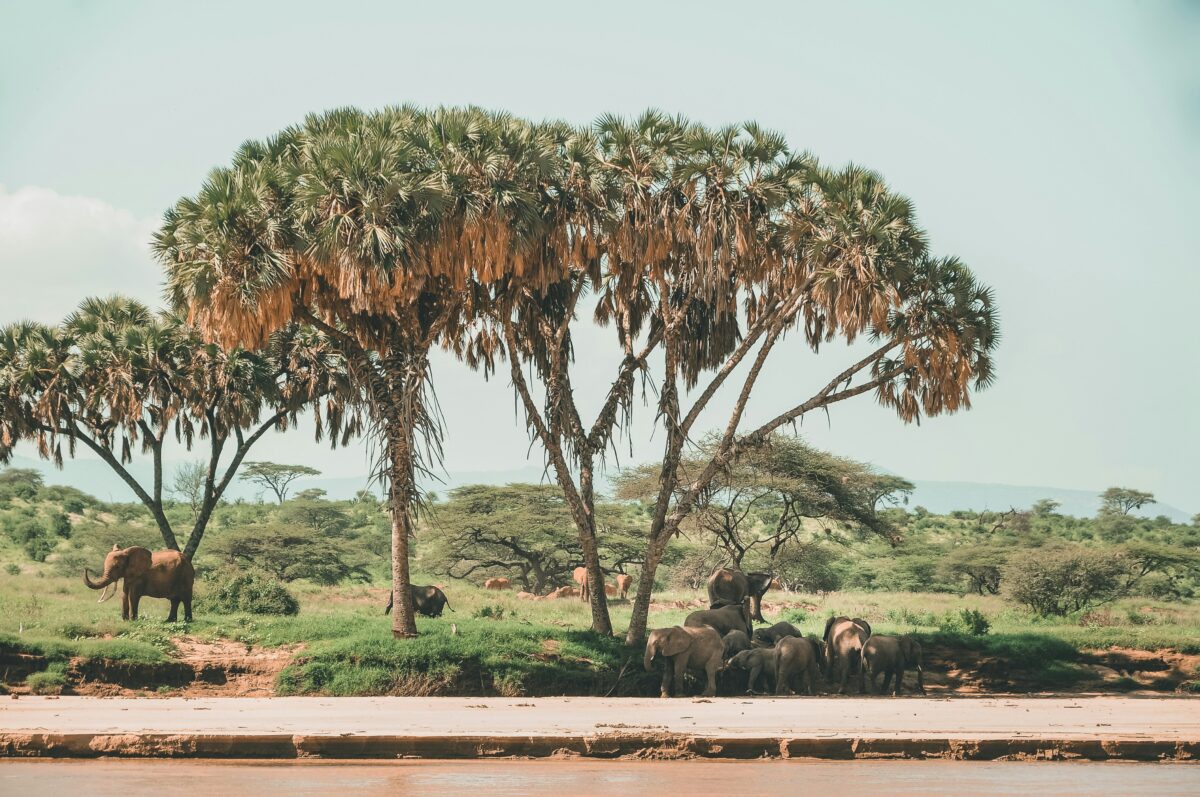
Mount Ololokwe Samburu
You can spot the tawny outline of this sacred mountain from many places in Samburu National Reserve. I recommend all able visitors to Samburu should add a hike up Mount Ololokwe to their bucket list. The hike takes two 2 to four hours, depending on fitness, and offers breathtaking views of Samburu’s vast plains and the Mathews Range. The Samburu people consider the mountain sacred and culturally and spiritually significant. Mount Ololokwe has a few climbing routes; I have added a climbing Mount Ololokwe link here.

The Mathews Range Samburu
The Mathews Range, known as the “Lenkiyio Hills,” is a hiking hotspot in northern Samburu. The forested mountains are less visited wilderness areas that retain a rich biodiversity. The Mathews Range is home to elephants, African wild dogs, leopards, and unique flora and bird species.

Safari at Samburu National Reserve.
A safari at Samburu National Reserve offers a quieter and more peaceful experience than Kenya’s more famous wildlife parks. This is a good thing; crowding in places like the Maasai Mara and Amboseli can ruin a safari, in addition huge numbers of tourists can damages both the environment and hamper conservation efforts. In Samburu you can spot four of safari’s Big 5: elephant, lion, leopard and buffalo; with rhino missing. However, pass through Ol Pejeta on the way to Samburu for the chance to see many rhino, including the world’s last two remaining Northern White Rhino.
Samburu is home to Kenya’s big cats: lions, leopards, cheetahs, large elephant families, buffalo, hippos, crocodiles, various species of gazelle, giraffe, zebra, and warthogs.
It is also famous for its abundant bird life, with over 450 recorded species. Birding enthusiasts should look out for the Martial Eagle, one of Africa’s largest eagles, the Vulturine Guineafowl, Lilac-breasted Roller, African Fish Eagle, and the long-legged Secretary Bird
The Save the Elephants organisation works to protect the elephant population in Samburu. The conservation groups focuses on partnerships with local communities with an emphasis on stopping wildlife poaching and human-animal conflict.
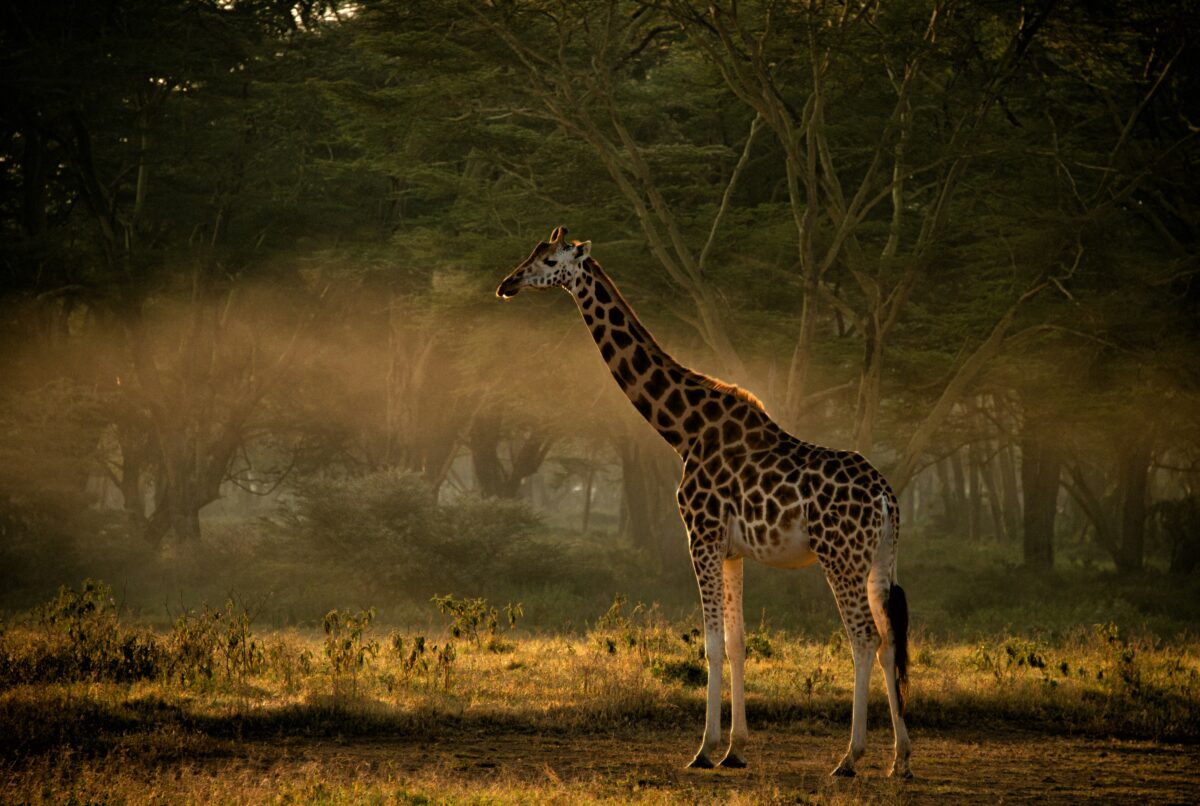
Special Five at Samburu National Reserve
Samburu National Reserve is famous for its Special Five a group of animals that are endemic to Kenya’s arid northern region. Samburu is one of the few places in Kenya where you can spot these animals in their natural habitat.
- Grevy’s Zebra (endangered, with narrower stripes compared to the plains zebra)
- Reticulated Giraffe (distinguished by their net-like pattern)
- Beisa Oryx (It has a white tone across the entire body with black feet and a black facemask)
- Gerenuk (a long-necked antelope that stands on its hind legs to browse)
- Somali Ostrich (notable for its blue-grey legs and neck.
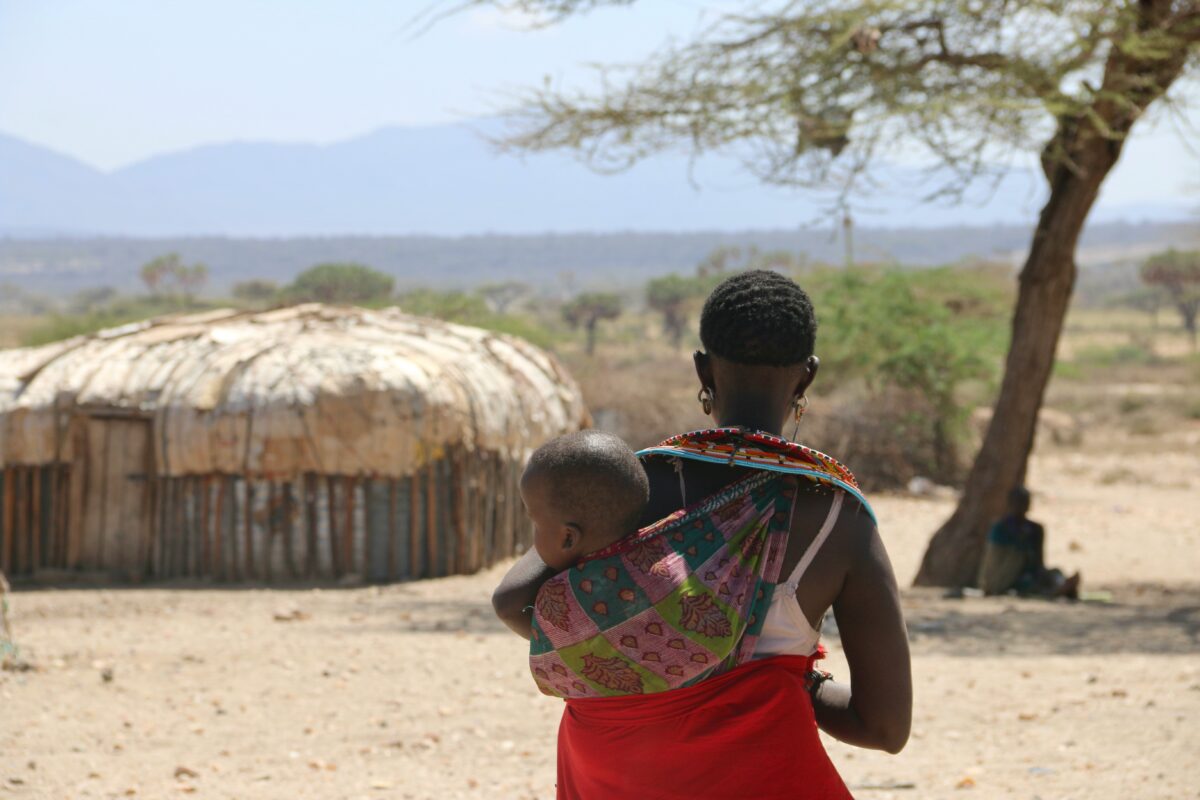
Cultural Encounters with Samburu People
The Samburu people are Nilotic, semi-nomadic shepherds who retain many traditional values and ways of life; in Samburu National Reserve, you can visit a Samburu village for an insight into their ancestral way of life. The visit will give you an understanding of their pastoral practices, the importance of cattle, how they survive in the harsh landscape and the chance to see colourful clothing, intricate beadwork, and age-old traditions.
Where to Stay in Samburu National Reserve
$ Samburu National Reserve has a mix of Public Campsites and Special Campsites, the difference being that the special camps are private and you must book in advance through this link. https://samburunationalreservekenya.com/information/camping-in-samburu-national-reserve/
Samburu Public Campsite is near the river and unfenced so crocodiles and hippos can approach your tent. Something to consider with small children. It has a sandy beach, toilets, and cold showers.
Samburu Special Campsites are on the river and must be reserved by calling and booking in advance.
$ Samburu Dik Dik Lodge – Homestay in Archers post with a pool.
$$ Samburu Sopa Lodge – Mid-range hotel, with a pool.
$$ Elephant Bedroom Camp: Luxurious, riverside tented camp with, as the name would suggest, an abundance of elephants.
$$$ Samburu Intrepids Camp – Luxury lodge on the river.
$$$ Soroi Larsens Camp – Luxury tented camp on the river.
$$$ Saruni Samburu: Very luxurious lodge with a pool.
Accommodations in Buffalo Springs National Reserve
Ashnil Samburu Camp – A mid-range lodge with a pool. It’s next to the river, so elephants often come near the camp.
Accommodations in Shaba National Reserve
Sarova Shaba Game Lodge – Mid-range lodge on the river and with a pool. Part of the Sarova group.
When to Visit Samburu National Reserve
Samburu is an all-year-round destination, but the best time to visit is during the dry season from June to October. The lack of rain means the wildlife concentrates around water sources, making game viewing easier and more rewarding.
How Much Does it Cost to Visit Samburu National Reserve?
The daily park fees for Samburu National Reserve, Buffalo Springs and Shaba Reserves, valid for 24 hours, are:
- Non-Residents: $70 (adults) & $40 (kids aged 3 – 11)
- East Africa Residents: 1000 KES (adults)
- Kenyan Citizen: 2600 KES (adults) & 1300 KES (kids aged 3 – 11)
- Car with 6 seats: 400 KES
- 300 KES per day for a car with up to 6 seats.
How To Get to Samburu National Reserve
By Road
- Distance: Samburu is about 345 km from Nairobi.
- Duration: Approximately 5-6 hours by road, depending on the condition of the roads and traffic.
- Route:
- Nairobi to Isiolo: Drive along the Thika Road (A2) and continue through Nanyuki and Isiolo. This part of the journey is on a tarmacked road.
- Isiolo to Samburu: From Isiolo, take the road to Archers Post. The road to Samburu from Isiolo is not fully paved and may have rough patches, so a 4×4 vehicle is recommended.
- At Archers Post, turn towards Samburu National Reserve, which is only a short drive from there.
Self-drive: You can rent a car in Nairobi, preferably a 4×4 with Rentalcars.com
Private Transfer: Many tour companies offer transfers to Samburu with guides- check out Get Your Guide or Viator.
By Air
- Duration: About 1 hour from Nairobi to the nearest airstrip.
- Flights: Several domestic airlines offer flights from Wilson Airport in Nairobi to Samburu Oryx Airstrip or Buffalo Springs Airstrip, both located near the reserve.
- Cost: Flights range from moderate to higher prices, depending on the airline and season.
- Once at the airstrip, you’ll need a transfer to your accommodation in the reserve, usually arranged by your hotel or lodge.
What to Pack for Safari at Samburu National Reserve
Be sure to pack for the arid climate with light, breathable clothing for the day and a warm jacket for the cooler evenings.
Long sleeved clothes protect against mosquitoes.
Hiking Mount Ololowe you need sturdy hiking shoes and don’t forget your sunscreen, hat, water and a camera
Samburu is quite far north, so it’s pretty hot and dry up there. It can be a little chilly on morning safaris, so a fleece or thin, down jacket is good to have (also good if you hike Mount Ololokwe), but it’s pretty warm for most of the day.
A sun hat is a must and I always recommend bringing closed shoes for around the lodges, especially at night and bring your swimwear and flip-flops for around the pool.
Samburu National Reserve Safari Rules
- Respect the privacy of the wildlife. This is their habitat.
- Beware of the animals, they are wild and can be unpredictable.
- Don’t crowd the animals or make sudden noises or movements.
- Don’t feed the animals, it upsets their diet and leads to human dependence.
- Keep quiet, noise disturbs the wildlife and may antagonise your fellow visitors.
- Stay in your vehicle at all times, except at designated picnic or walking areas.
- Keep below the maximum speed limit (40 kph/25 mph).
- Never drive off-road, this severely damages the habitat.
- When viewing wildlife, keep to a minimum distance of 20 meters and pull to the side of the road to allow others to pass.
- Leave no litter and never leave fires unattended or discard burning objects.
- Respect the cultural heritage of Kenya, never take pictures of the local people or their habitat without asking their permission, respect the cultural traditions of Kenya and always dress with decorum.
- Stay over or leave before dusk. Visitors must vacate the Park between 6.00 p.m. – 6.00 a.m. unless they are camping overnight. Night game driving is not allowed.
Further Reading on Safari in Kenya
Book Your Kenya Trip – Insider Tips
Find everything you need for visiting Kenya on my TRAVEL RESOURCES page.
Find everything you need for moving to Kenya in my THE EXPAT GUIDE TO LIVING IN NAIROBI book.
- Kenya Accommodation: Booking.com has the cheapest rates for hotels and guest houses in Kenya.
- Accommodation Reviews: TripAdvisor is my go-to portal for checking reviews on accommodation/restaurants in the local area. I never book without checking TripAdvisor first.
- ESIM: Airalo allows you to access the Internet from virtually any country without paying roaming charges
- Car Rental: Rental Cars is managed by Booking.com – guaranteed reliable.
- Tours and Guides in Kenya : Check out Get Your Guide and Viator – reputable companies that do tours within Kenya and East Africa.
- Travel Insurance: Travel insurance will protect you against illness, injury, theft, and cancellations. I recommend Visitors Coverage, which covers you for East Africa and offers ‘special insurance’ for safaris and adventure sports:
- Visitors Coverage
- Compensair – if you have a cancelled or delayed flight, you may get a refund.