
Read on to find out why you should choose a self drive safari Kenya, plus lots of useful information such as where to go, when to go and what are the roads like.
Tourists. You can love ‘em or hate ‘em, and sometimes you are them. Kenya is usually full of tourists. They arrive in their busloads to visit the Giraffe Centre. The can be seen cruising the game parks in jazzed up matatu’s. You can spot them in the lodges dressed head to toe in khaki, or at the coast shouting at the monkeys that come to steal their breakfast. Great gangs of people crowd on the safari tour buses, agog at Kenya’s natural marvels. All of them follow the African equivalent of South America’s ‘Gringo trail’, going from A – Z and nary a stop in between. It always surprises me how few consider going it alone and doing a self drive safari Kenya.

Changing tourism in Kenya
Last year, over 2 million tourists came to glimpse a lion or rhino in its natural habitat. As COVID-19 ground the world to a halt, the tourist spots in Kenya that are took the hit. Tourism supplies millions of Kenyans with jobs every year and provides the Kenyan economy with 1.6 Billion shillings. Losing tourism was devastating to our country.
The pot of gold at the end of the rainbow is that this is passing, and tourism is coming back to all the beautiful places in the world. The natural world is experiencing positive changes for the first time in decades because of restrictions on flights and other forms of travel. As our earth takes a moment to breathe, now is the time to think about how to do things differently, about travelling differently. Now, while we are stuck at home, is the time to plan that change.
Independent travel in Kenya
Kenya has had a pretty horrible reputation in the past. As a result, most tourists visit Kenya through formally structured tours organised from their home countries. Today’s Kenya is a safer and more accessible place, and an easy destination to explore alone.
Read my blog on Eco Travel Africa – 12 Conservation Friendly Adventures
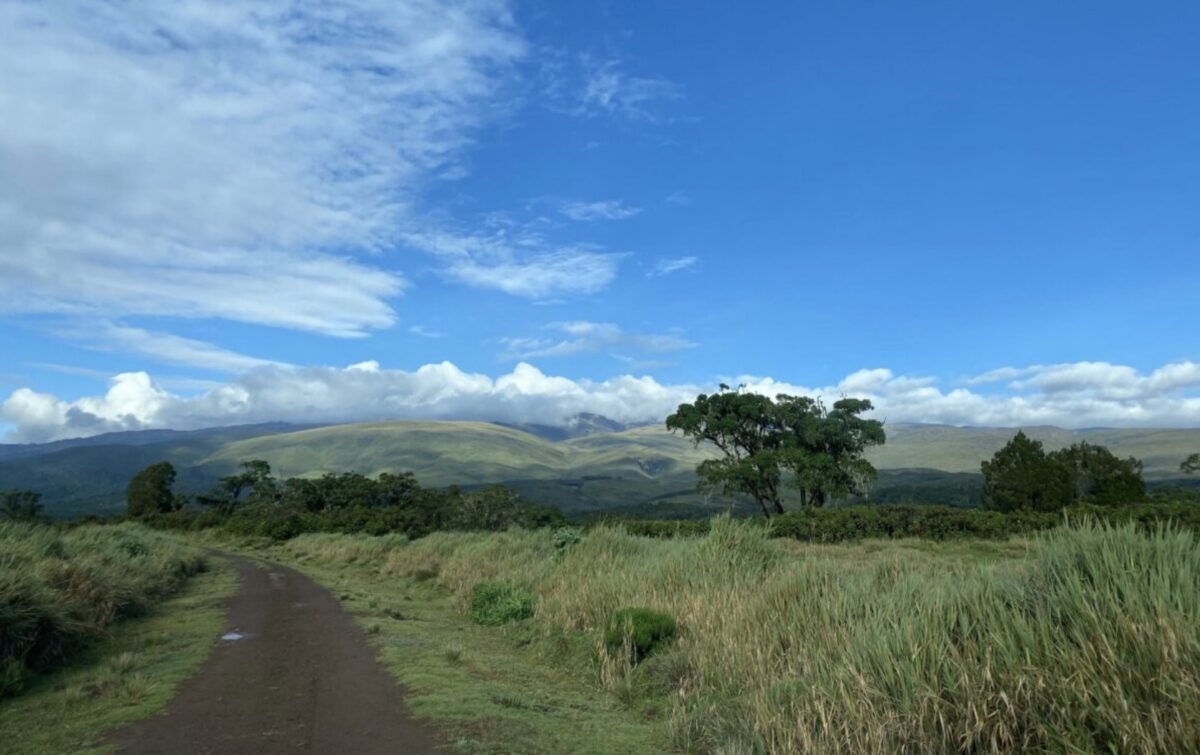
The Advantages of a Self Drive Safari Kenya
A Kenyan self drive safari has multiple advantages over an organized tour. Sure, you can pick from many Kenyan organized safari tours, but you will walk the same tired path that 2 million tourists walked before you. Independent travel in Kenya offers you freedom that a tour doesn’t. It’s the only way I travel and it should be a real consideration for anyone wanting to visit Kenya. Not only will it allow you to get off the beaten path, it is often considerably cheaper. And we all know a safari tour ain’t cheap.
By travelling independently, you give back to the communities in Kenya. Choosing local guides, staying in Airbnb’s, taking public transport where possible, these are all ways in which you can support the Kenyan economy. You should consider the impact of where you stay on safari. Many lodges and camps work to support the local ecosystems and conservation in Kenya, as well as looking after their staff and people within the community. Spend some time checking out these places, rather than relying on tour companies to choose for you.

How to do a self drive safari Kenya
How Much Does it Cost to Hire a Car in Kenya?
If you are planning to drive around Kenya but not on safari, then you don’t need a 4×4. Driving from Nairobi to Nanyuki, Kisumu, or Mombasa is easily done in a 2 wheel drive car, as are trips along the coast saying from Diani to Watamu or Mombasa to Malindi.
I recommend you hire a car through Rentalcars.com which is the world’s biggest online car rental service and a part of the Booking.com platform.
How Much Does it Cost to Hire a 4×4 car in Kenya?
If you are going on a safari or off roading, then you need a 4×4. There are loads of car hire companies in Kenya that can rent your appropriate and roadworthy vehicles perfect for safari.
Road Trip Africa has Toyota Hilux Double Cab and Toyota Land Cruiser vehicles. They own all their own vehicles and never subcontract from third parties.
Sun World Safari’s organise tours but also rent a Toyota Land Cruiser and Toyota Prado’s
Getting to Kenya
Fly into Nairobi. The capital of Kenya is a vast, sprawling city. Tower blocks sit next to shiny malls, to dusty streets meander through miles of tin shacks. Over 4 million people are crammed into Nairobi, all trying to make enough money to send to their families in rural Kenya. It’s loud and chaotic, but it doesn’t have the intense heat and mayhem of cities in India and Asia. Nairobi is easier to navigate, and as the road network improves, the traffic is no worse than other major cities. Except for some areas of the CBD and the larger slums, most the of the city is safe.
Visitors will want to head for the leafy suburbs of Karen where most of the tourist attractions are (David Sheldrick Elephant Orphanage, Giraffe Centre, Giraffe Manor, Nairobi National Park, Bomas of Kenya) or the hustle and bustle of Westlands if you are looking for nightlife and a city setting.

How to travel in Kenya
Read my blog on Travelling Around Kenya – how to get around Kenya
Fly: You can fly between most major cities on local airlines, Jambojet, ALS, Safarilink and Fly540. They operate medium-sized aircraft that fly 2 or 3 times a day.
Smaller aircraft will fly you to safari destinations. Check out Yellow Wings, Safarlink and AirKenya
Train: The SGR Train goes between Nairobi and Mombasa. You can get off at Voi or Mtito Andei to visit Tsavo for a safari. The train is cheap and clean with modern comforts. Check out my experience on the SGR HERE.
Car: The roads in Kenya are fine. That’s an appropriate middle of the road (excuse the pun) term to describe them. Most main roads between cities are paved and pothole-free. The roads in Nairobi are paved with plentiful potholes, and in the bush, the roads are dirt tracks. If you are going on safari, you heed a 4×4 no hesitation. Unless you are in the driest of dry seasons where you could probably go around Tsavo and Nairobi National Park in a car, I’d always plump for an off-road vehicle.
The drivers in Kenya are a little errr enthusiastic. In particular, the matatus (buses), but I’ve never had an accident or an incident. The police are also enthusiastic. I’d strongly encourage you not to speed as on long journeys they tend to ambush you at certain spots. The best result is you offer a little lunch money, the worse that you end up being taken to the station and landed with a hefty fine.
What Are The Roads Like for a Self Drive Safari Kenya
Self Driving in Kenya: Main roads: The drivers in Kenya are a little errr enthusiastic. In particular, the matatus (buses), but I’ve never had an accident or an incident. The police are also enthusiastic. I’d strongly encourage you not to speed, as on long journeys they tend to ambush you at certain spots. The best result is you offer a little lunch money, the worse that you end up being taken to the station and landed with a hefty fine.
Self Drive on Safari in Kenya: The roads can get very muddy on safari if there has been any rain in the last few weeks. You should make sure your vehicle is appropriately kitted out. At the very least you need:
- drinking water
- ranger or park gate number
- spade for digging the car out
- money for a tip (preferably Kenyan Shillings)
- Spare tyre or two
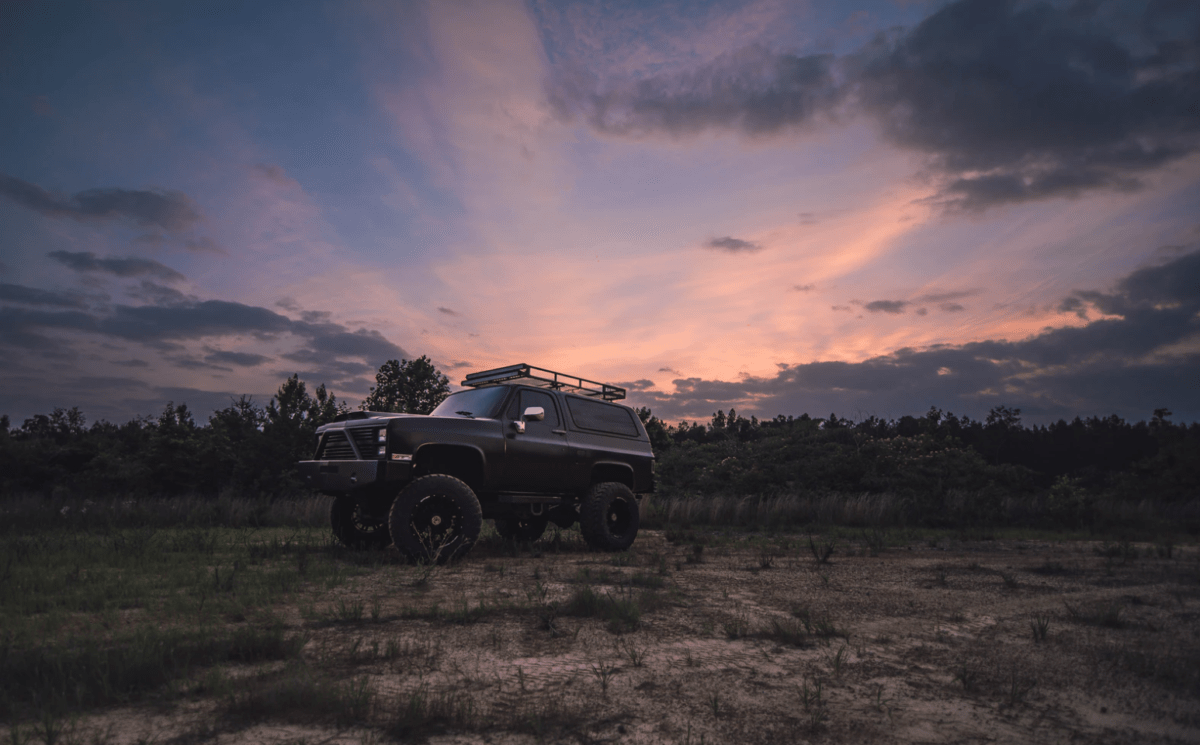
Where to go on safari – The Main Parks
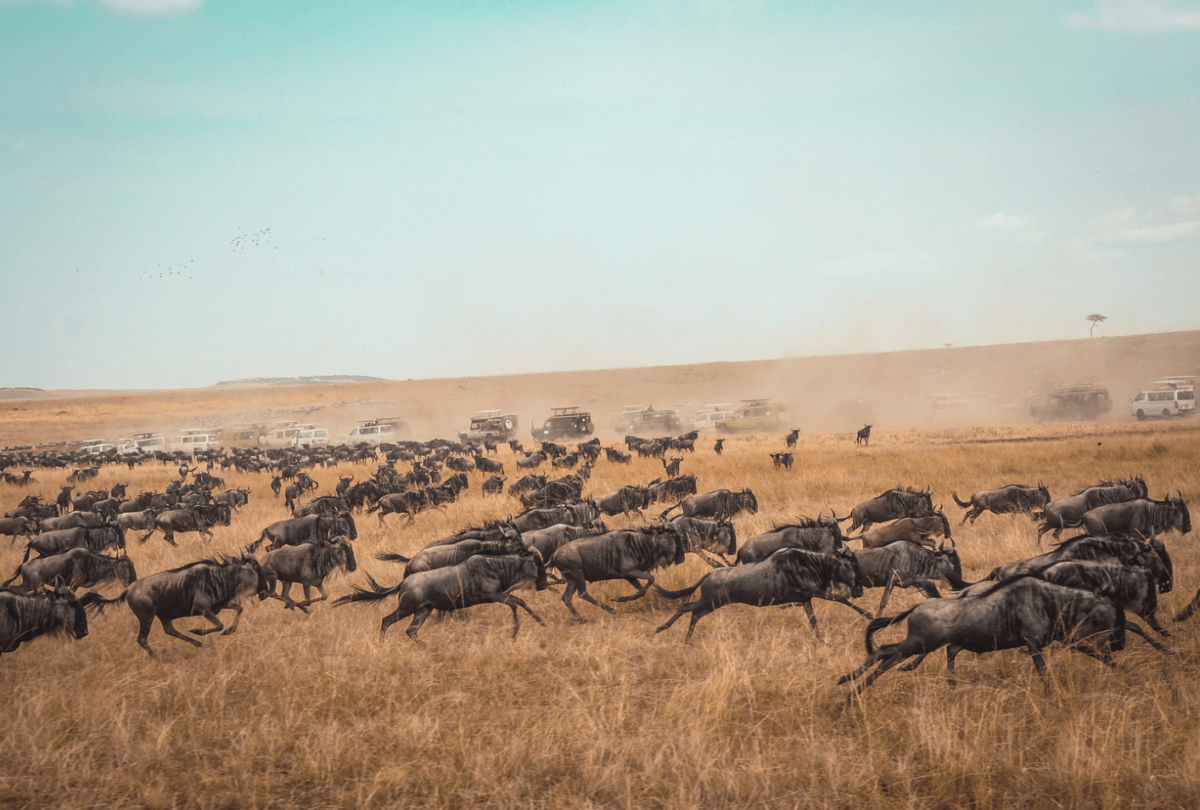
The Maasai Mara.
The Maasai Mara is on most people’s bucket list simply because of the sheer number of big 5 animals and, in particular, cats. If you are going to see the triumvirate of leopard, cheetah and lion, then this is the place to do it. The roads are easy and well-marked, the Mara a great place for a self drive safari in Kenya.
BlOG POST: THE GREAT MIGRATION ALL YOU NEED TO KNOW
BLOG POST: HOW TO TRAVEL THE MARA FOR UNDER $150 under
Amboseli National Park
Can you ask for more than Kilimanjaro and elephants in their hundreds? I feel not. Amboseli National Park is staggeringly beautiful, with vast wetlands framed by Africa’s highest mountain. Amboseli is one of the most popular parks in Kenya because of its huge elephant herds and big tuskers.
Read my blog on Lodges and Camping in Amboseli National Park
Tsavo East and West
Tsavo East National Park and Tsavo West National Park combine to make the largest park in Kenya. Tsavo East National Park has a higher population of animals, the sleepy but gorgeous Galana river and is a great stop off if you are driving to the coast. Tsavo West National Park has lava flows, caves, the crystal clear Mzima Springs, and on a good day, a view of Kilimanjaro.
Read my blog on 5 Incredible Sights at Tsavo West National Park
Samburu National Park
Samburu is a semi-desert national reserve located in Northern Kenya. Flowing through Samburu is the largest river in Kenya, the Ewaso Ngiro. The palms and acacia trees which line its banks add a flourish of green to this dry landscape. You’ll find lions, leopard, elephant and cheetah. Samburu and its sister reserves are one of the best places in Kenya to view wild dog

Ol Pejeta Conservancy
Ol Pejeta Conservancy is a well-organised park with all the Big 5 doing their thing under the watchful eye of Mount Kenya (Africa’s second-highest peak). The reserve has a chimpanzee sanctuary and is home to the last two remaining northern white rhinos. Plenty of different accommodation is available within the park; from a luxurious house to huts and even options to camp. Ol Pejeta is near Nanyuki town which has lots of other conservancies to explore as well as restaurants and some fabulous accommodation.
BLOG POST: The 12 best places to visit in Nanyuki
BLOG POST: Safari camping in the African bush at Ol Pejeta
BLOG POST: Safari at Ol Pejeta Camp and Conservancy
BLOG POST: The 7 Best Nanyuki Hotels and Lodges
Self Drive Safari in Kenyan Parks that offer something different
Aberdares National Park
A mountainous park located to the west of Mount Kenya. Indigenous rainforest covers the mountains of the Aberdares, presenting a vista of green peaks, mountain rivers and plenty of game. This is also the last place you can find the Bongo, a nearly extinct species of antelope (there are now less than 100 in the wild). The roads can be quite hard to navigate in the rain and it can get very cold at night.
Chyulu Hills
Chyulu Hills National Park between Tsavo Amboseli. Ernest Hemmingway’s green green hills of Africa are created by the eruption of nearby volcanoes. Lava flows and tube caves criss-cross the park and the hills are the hilliest hills you will ever see. A telly tubbies version of a hillside. The 11km Leviathan cave is one of the longest lava tubes in the world. You won’t find the full big five here, but large animals include buffalo, bushbucks, elands, elephants, leopards, giant forest hogs and giraffes.
Kimana Sanctuary
While the tourists’ flood to Amboseli, why not check out Kimana? The last time we were there, we saw one other vehicle the entire time. It still has a world-class view of Kilimanjaro and an abundance of elephants but is cheaper and just as beautiful. You can camp or stay in the wonderful Kimana Cottage. It’s the perfect place for a novice self drive safari Kenya.
BLOG POST: KIMANA SANCTUARY – A CAMPING SAFARI
Kenya Safari Tours
Not convinced? It can sound pretty hair raising, heading out into the wild if you have never travelled to Africa before. While I still fully endorse travelling alone, there are some great tours out there. Travel to Kenya yourself and book tours through Get Your Guide. The company uses local providers, which I love. The guys here obviously know exactly what they are talking about and the money goes straight into the Kenyan communities. Get Your Guide allows you to read reviews and book in advance to ensure your perfect trip goes according to plan.
Other points to consider on a self drive safari Kenya
What is the Weather like in Kenya
The weather in Kenya is temperate and fair. In Nairobi, Nanyuki and the highlands, the weather is cooler, with daily highs in summer (Jan-March) of 28C and evenings in winter (July/August) of 14C.
In the coastal lowlands and the deserts, it is very hot all year round. Travel to Kenya throughout the year, with the exception of the rainy seasons. April – June are the long rains and October – November are the short rains. The long rains can be particularly treacherous in safari destinations. Kenya has black cotton soil which soaks up water and creates thick sticky bogs which are almost impossible to drive through. If you are thinking of daring the rains then make sure you travel with another car and the equipment to tow your car out of the mud.
A huge caveat is that with climate change, the seasons are not what they once were. As I write, it is April and the sun is scorching with only a little rain at night. Summer was late arriving this year, and last year the rains barely stopped from April to October. Check the weather before you leave.
Travel Insurance
You need travel insurance particularly if you are planning a self drive safari Kenya. You need to consider the probability of theft, sickness from water or food or parasitic illnesses, and injury from wild animals or towing that car out of the mud. You’d be foolish to leave home without a good cover. If you are particularly worried about your health on safari you can invest in insurances and services that will airlift you to the nearest hospital from any destination. Check out AMREF.
Book Your Kenya Trip – Insider Tips
Find everything you need for visiting Kenya on my TRAVEL RESOURCES page.
Find everything you need for moving to Kenya in my THE EXPAT GUIDE TO LIVING IN NAIROBI book.
- Kenya Accommodation: Booking.com has the cheapest rates for hotels and guest houses in Kenya.
- Accommodation Reviews: TripAdvisor is my go-to portal for checking reviews on accommodation/restaurants in the local area. I never book without checking TripAdvisor first.
- ESIM: Airalo allows you to access the Internet from virtually any country without paying roaming charges
- Car Rental: Rental Cars is managed by Booking.com – guaranteed reliable.
- Tours and Guides in Kenya : Check out Get Your Guide and Viator – reputable companies that do tours within Kenya and East Africa.
- Travel Insurance: Travel insurance will protect you against illness, injury, theft, and cancellations. I recommend Visitors Coverage, which covers you for East Africa and offers ‘special insurance’ for safaris and adventure sports:
- Visitors Coverage
- Compensair – if you have a cancelled or delayed flight, you may get a refund.
Pingback: Essential things to know before travelling to Kenya | The Expat Mummy
Pingback: Epic safari adventures - tales from across the globe | The Expat Mummy
Pingback: Essential things to know before travelling to Kenya | Live Travel Kenya
Hi! Great article. We’ve done self drive in Botswana and Namibia and Kenya is next on our list! Can you tell me which car rental company you used and would you recommend them? Thanks