
A Kenya safari is the ultimate bucket list adventure.
Kenya is synonymous with safari. Kenyan wildlife is the lifeblood of this country, from the beauty of the Maasai Mara and its red-clad tribespeople to the responsibility that the country holds of preserving the last two surviving Northern White Rhino.
A Kenya safari is romantic and heartbreaking. It can be serenely beautiful and stomach-churningly vicious. Safari is the truest example of survival of the fittest, but all this glorious and gory beauty may not be around much longer. Every day more animals are added to the endangered or extinct list.

What to expect on a typical day on safari in Kenya?
Safari is all about the animals and most of the action happens at night so be prepared to get up early and stay out late. Dusk till dawn is the name of the game on a Kenya safari.
- 530 am: Wake up call, expect to be in the vehicle before sunrise at 6 am (the sun rises and sets at roughly the same time in Kenya as it is on the equator).
- The game drive will last anything between 3 – 5 hours. The guide will ask you how long you wish to be out for but be prepared for it to overrun. If you are in the Maasai Mara waiting for a wildebeest crossing, you may have to wait hours for the animals to cross. You don’t want to wait 2 hours and then leave for breakfast just as the crocs start snapping.
- Bush breakfast – you may take breakfast with you. A bush breakfast means your safari vehicle will be packed with coffee, fruit, bacon and sausage sandwiches and a table set up at a viewpoint for you to enjoy breakfast in the wild.
- 10 am: Breakfast if you didn’t eat on the drive
- 1 pm Lunch, often long and lazy and boozy.
- 4 pm: Evening game drive
- 6 pm.: Sundowners. Similar to the bush breakfast the car will be packed with gin and tonic, wine and beer and a table or picnic blankets set up at a viewpoint. Kenyan sunsets are world-famous, and sundowners are almost mandatory on a Kenyan safari.
- 630 pm: Return to camp
- 8 pm: Evening meal
- The time in between game drives is yours to enjoy. Many people catch up on sleep, read books or swim in the pool (if your camp has one).
Dispelling some myths around Kenya safaris
One safari park is the same as the rest
This couldn’t be further from the truth. Each park is different, from chilly Ol Pejeta that sits at the base of Mount Kenya to the red soil and perpetual heat of Tsavo National Park. Each park or conservancy brings its own topography and its different animals with it.
Kenya is dangerous
Kenya is much maligned and unfairly so. I get an email a week from people worrying about safety in Kenya. Crime in Nairobi is very low compared to a lot of other countries. It is usually driven by need and is opportunistic; pickpocketing and petty thievery rather than rape or murder.
There are some areas of Nairobi that are unsafe to go out at night, but the same can be said of many capital cities.
As long as you use common sense and exercise caution, then Kenya is fine to visit and travel around.
Safari is dangerous
Only a fool would be flippant of the dangers of many of the animals on safari. These are natures premier killers on their home turf, but there is no reason to be overly afraid. Animals have plenty of game to hunt in the parks and won’t attack you unless you put yourself in their way. Keep inside vehicles, zip-up tents and lock doors at night. Don’t walk through unfenced camps unless escorted by an Askari, and never try to pet or walk closer to an animal.

Get Expat Help and Advice HERE
The best resource for the Expat in Nairobi is my book The Expat Guide to Nairobi. This invaluable guide gives you all the information on this blog and then a load more. It is the ONLY downloadable expat guide to living in Nairobi and contains all the information I could cram into its 160 + pages. For more information, go to the EBOOK page here.
No kids on safari
Kids love safari, enjoy it and are welcome in most camps.
While some high-end camps may restrict or put an age limit on children, many camps gear their safaris towards kids. Check for Kenyan safari camps that have pools and child-centric activities such as spear making, learning to shoot and bow and arrow, learning to track animals.
My children have been going on safari since they were babies and love it. We self drive, wild camp and take our kids to camps and lodges… there is nowhere that our children don’t go.
Women can’t travel in Kenya alone
Women can and frequently do travel Kenya alone. I zip all over the country with my 3 young children and rarely feel afraid.
Stick to the common-sense rules of not walking alone, not flashing expensive jewellery, cameras, phones and stick to safe areas – particularly in Nairobi.
Kenyan safaris are all expensive
Kenyan safaris can be exorbitantly expensive. Sometimes up to 3000 USD per person night but there are plenty of budget safaris in Kenya. If you opt to self-drive and camp you can go on a safari in Kenya for under 100 USD a night.
Look for budget camps online, there are often very good deals to be had if you go off-season (ie not in the Maasai Mara during migration).
Consider booking flights, transport and accommodation yourself rather than booking a tour. There are links to help you with this at the bottom of the page. The camp or lodge you choose will probably have game drive vehicles and guides of their own, so you only need to arrange transport to the park or conservancy. It’s easy and cheap to hire a car and driver in Kenya.
Safari is all there is to do in Kenya
Kenya is so much more than safari, although you will find animals wherever you go. The Kenyan Coast is one of the best beach holidays in the world, try the towns of Diani, Malindi, Tiwi and Watamu. Shop for antiques and visit ruins in Kenya’s second-biggest city Mombasa.
Head to Kericho and visit the tea farms, to Nanyuki and climb Mount Kenya, to Naivasha and visit the hippo lake or to Elementatia or Magadi for the soda lakes. Or simply stay a few days in Nairobi – I’ve written an itinerary here
Where is Kenya?
Kenya is in East Africa on the equator. It is surrounded by Uganda, Somalia, Ethiopia, South Sudan and Tanzania. Much of Kenya’s eastern edge adjoins the Indian Ocean and Kenya is blessed to have some of the best beaches in the world.
The below lists some of the main National Parks in Kenya, but there are loads of conservancies and smaller parks that are not mentioned here.
Northern Kenya
Northern Kenya is dry, hilly and desert-like, receiving little rain. The very North has the vast Lake Turkana and the Chalbi Desert.
Safari in Northern Kenya includes Samburu National Park, Lewa Wildlife Conservancy, Marsabit and Meru National Park
Central Kenya
The area around Nairobi has plenty of conservation areas, the most popular being Nairobi National Park, the Rift Valley lakes Nakuru and Naivasha and the Aberdare mountains. The land is green and lush during the rainy season and the lakes attract plenty of bird and wildlife.
Safari in central Kenya includes the Aberdare National Park, Nakuru National Park, Ol Pejeta, Nairobi National Park and Hells Gate National Park.
Western Kenya
Western Kenya’s safari celebrity is the Maasai Mara National Reserve and its incredible Wildebeest Migration.
South & Eastern Kenya
Southern Kenya shares a substantial border with Tanzania, this is the best place to see glacier-capped Mount Kilimanjaro, the highest peak in Africa and the tallest freestanding mountain in the world. Kili lies in Tanzania but the best views of it are in Kenya.
Amboseli, Kimana Sanctuary, Tsavo West and The Chyulu Hills are all excellent places to safari with a view of Kili.
Other notable Southern Kenya parks are Tsavo West National Park and Shimba Hills – near the coastal town of Diani.
What will I see on a Kenya safari?
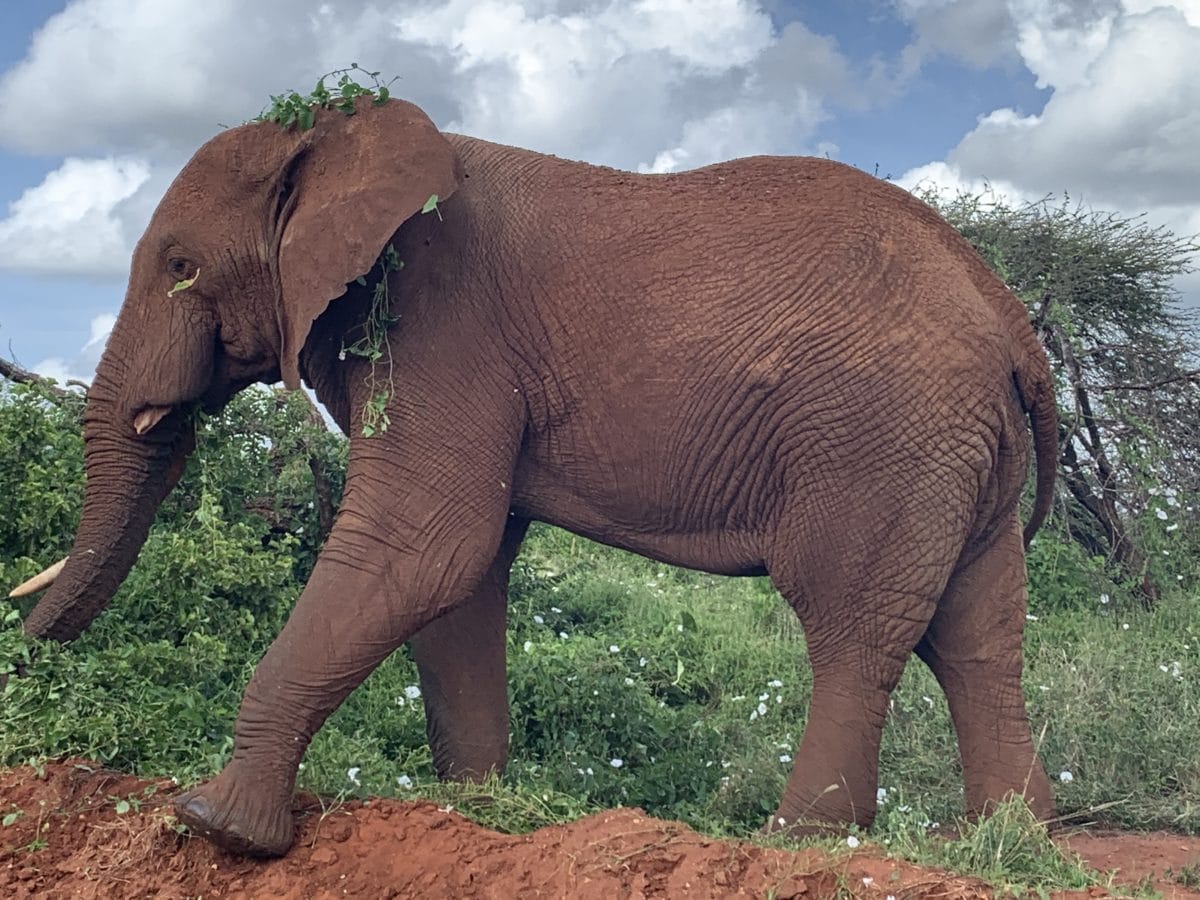
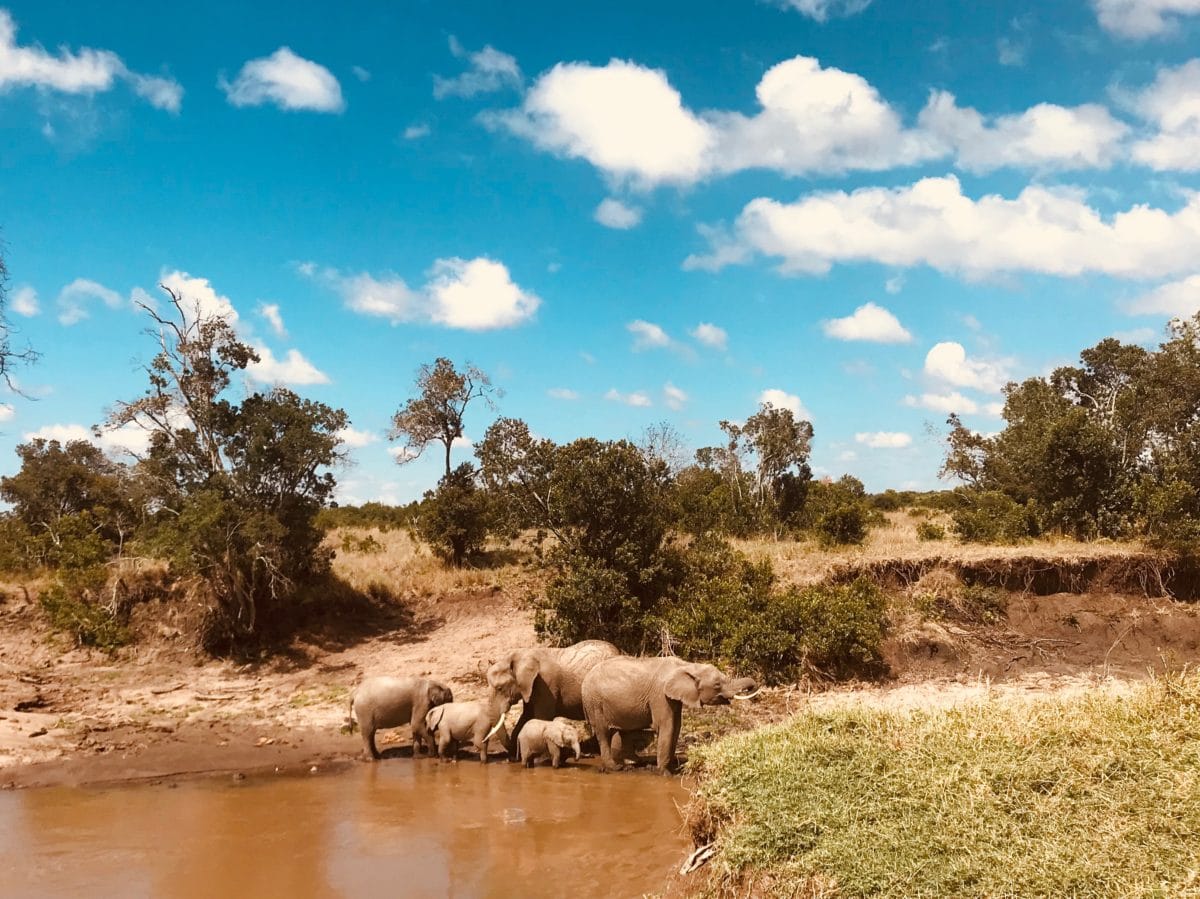
Some tour companies will have you believe that you will see the Big 5 wherever you go in Kenya but that’s not strictly true. The Maasai Mara is famous for the large numbers of cats (lion, leopard, cheetah) but has very few rhino. Similarly, Amboseli has vast herds of elephant but the rhino is extinct there. Nairobi National Park has no elephants but you will find it easy to spot a rhino.
While it is tempting to spend your entire trip searching for that elusive Big 5, Kenya safari is so much more than the celebrity animals. Look out for wild dog, zebra, giraffe, hippo, bat eared fox, gazelle wildebeest, topi, baboon, warthog, crocodile, waterbuck, antelope, vulture and so much more. Some of the beauty in safari is in the landscapes, the far reaching savannah, fever trees around a watering hole or the snow-capped peaks of Mount Kenya.
What is the safari Big 5?
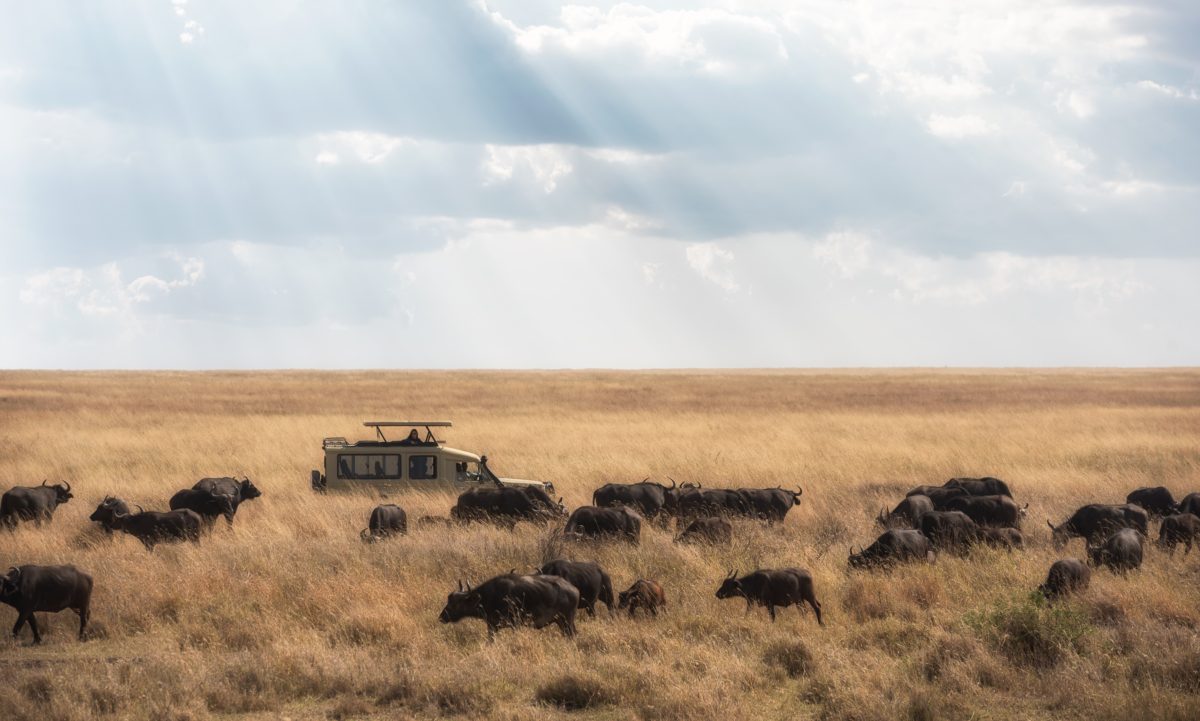
The Big 5 is a term coined in the days when the British Empire ruled Kenya and hunted animals for sport. The Big 5 were the 5 hardest animals to kill: lion, leopard, buffalo, rhino and elephant.
There is also a Kenyan Little 5 which is the Elephant Shrew, Ant Lion, Rhinoceros Beetle, Buffalo Weaver and Leopard Tortoise.

The Wildebeest Migration
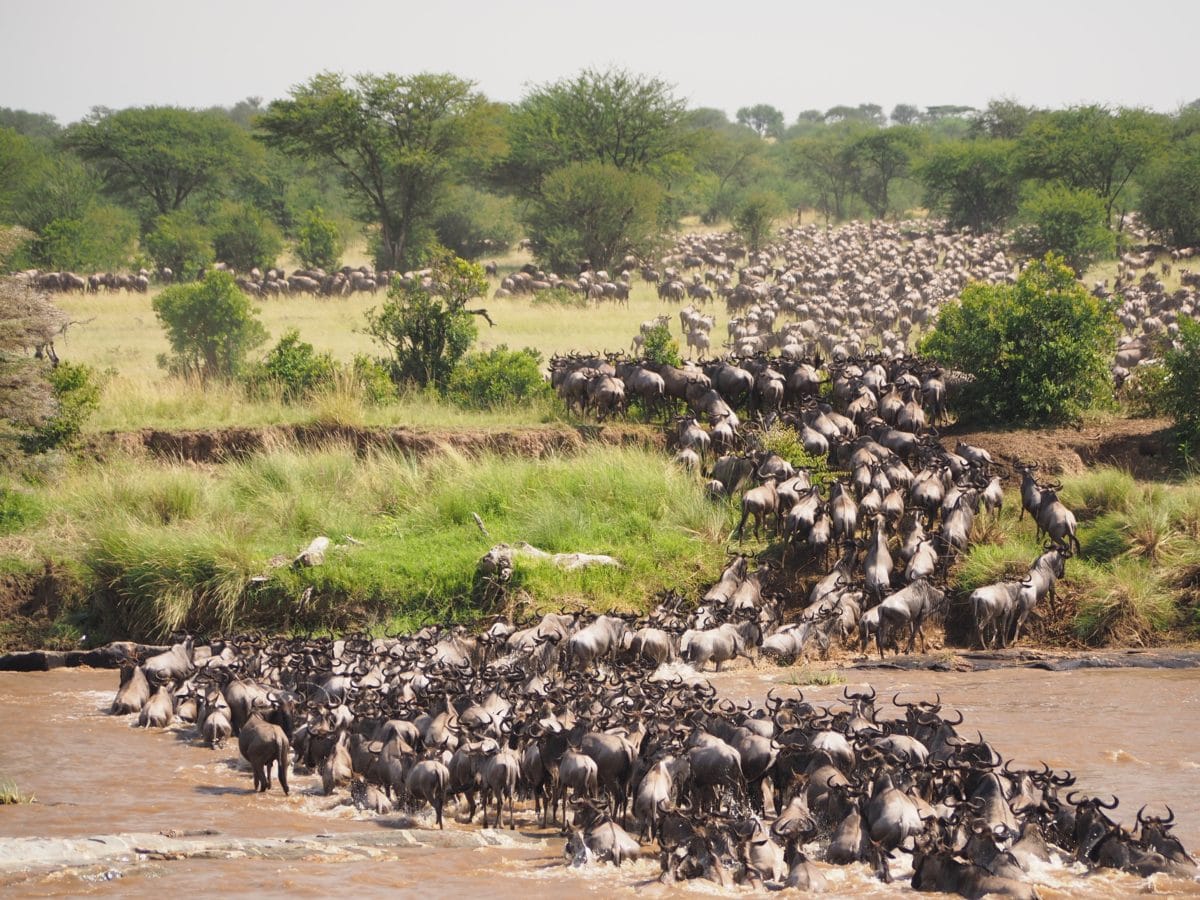
Wildebeest Migration or the Great Migration is the largest migration of land animals in the world. Over 1 million wildebeest and hoards of zebra and gazelle migrate from the Serengeti in Tanzania to the Maasai Mara in Kenya. The spectacle of so many animals moving across rivers and plains is one of nature’s great marvels.
The Great Migration attracts predators in huge numbers, lion, leopard, cheetah, hyena, crocodile and other carnivores engage in the world’s biggest and bloodiest feast. The migration is famous for the crossing at the river Mara and Talek where the animals gather in their thousands to cross a river filled with crocodile and hippo, and often with predators lurking on the other side. You are almost guaranteed to see a kill of some kind if you visit the Maasai Mara during the migration.
The migration attracts tourists in huge numbers as the animals line up for a crossing, an overwhelming number of game vehicles gather filled with photo hungry visitors.
Other types of Kenya safari
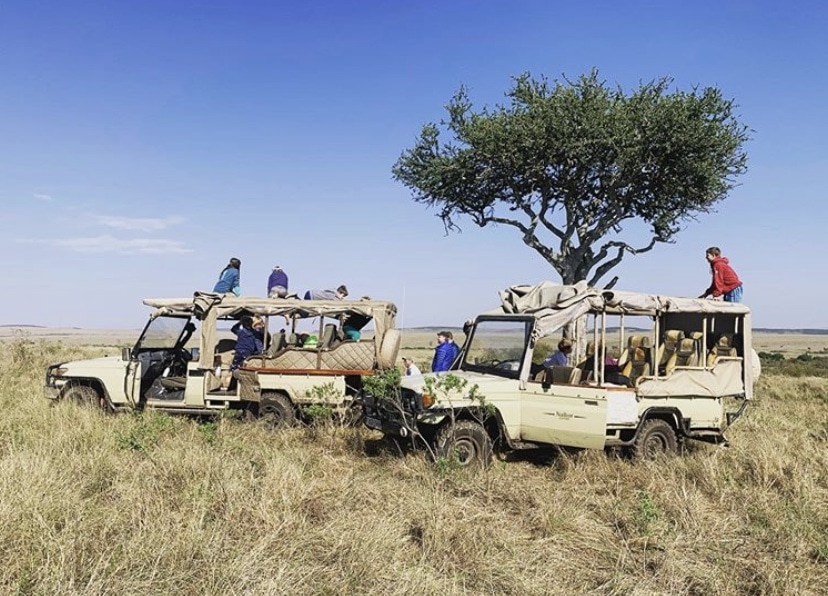
Travelling by car is the most conventional form of Kenya safari but not the only one. Car’s allow you to travel long distances, but sometimes the beauty of safari is in taking it slow and spotting all those things you will miss while whizzing along the savannah.
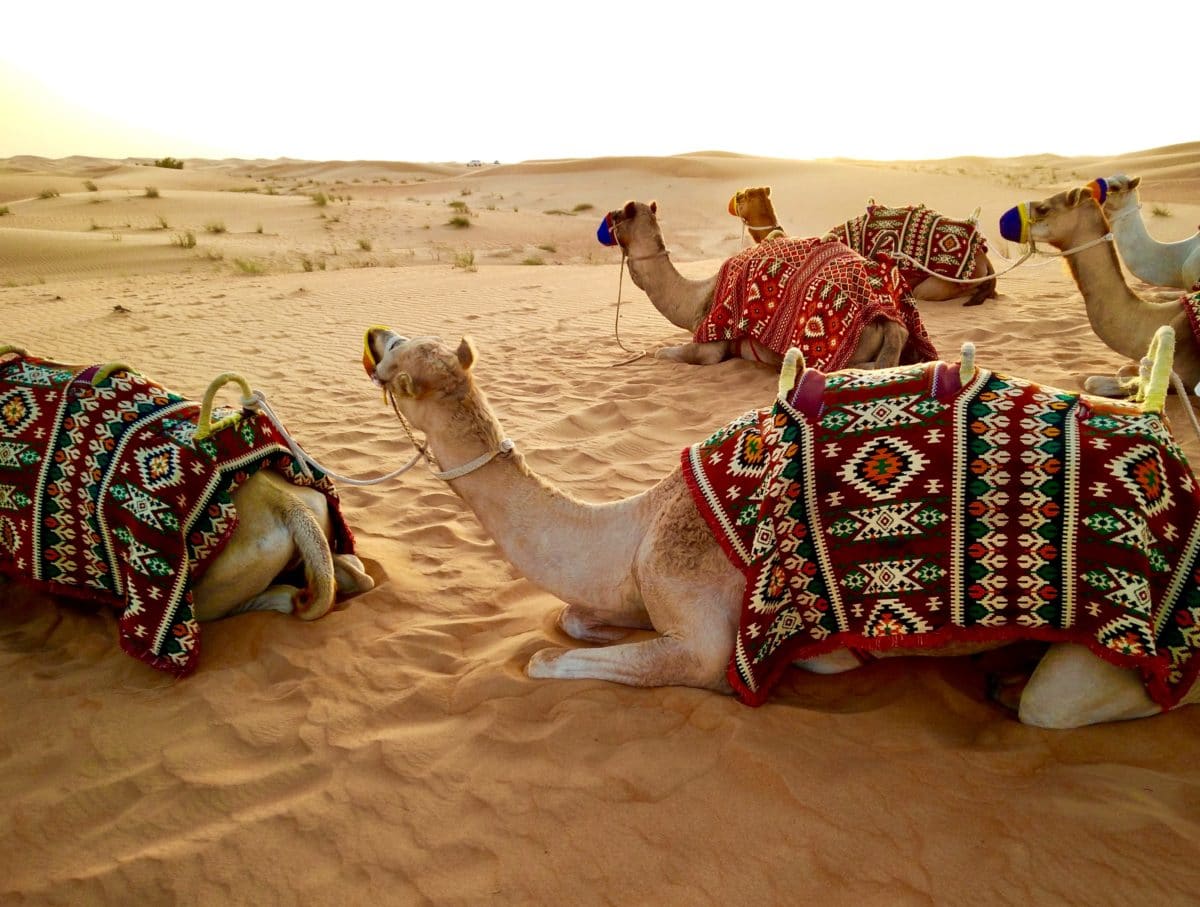
A horseback or camel safari is the ideal way to get close to the animals and spend time in nature. Horseback safari’s take place all over Kenya but the camel safaris are usually only available in the more arid conservancies north of Nanyuki.
A Maasai Mara balloon safari is a once in a lifetime adventure, nothing gives you a greater idea of the grandeur and spectacle of the Mara than taking off for sunrise balloon ride.
Cost of a safari in Kenya
Safaris can be very expensive. As previously mentioned, the cheapest way to safari in Kenya is to self-drive and camp. The below prices give you an estimate of how much a Kenyan safari costs. This blog talks about Maasai Mara cost specifically.
Budget safari – 150 USD per person per night.
Example safari destinations: Shompole Wilderness, Swara Acacia Camp, Kibo Camp Amboseli
What they include
- Accommodation only In tented camps and budget hotels
- Kitchen/ self catering facilities or a restaurants. You can often pay 10 – 15 USD for a chef to prepare your food
Does not include
- Flights to or in Kenya
- Transport to or around the park
- Park fees
- Alcoholic drinks
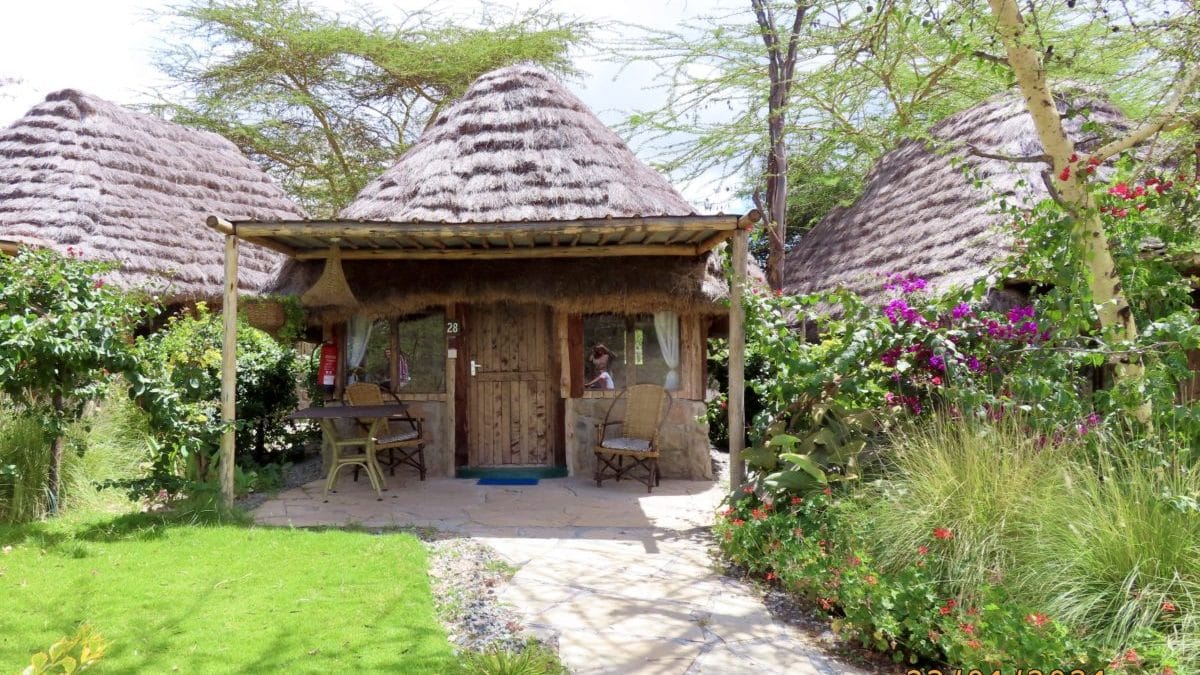
Mid-range safari – 300 USD per person per night
Example mid-range safari’s: ManEaters Camp and Sentrim Mara Camp
What they include
- Accommodation in tented camps and hotels
- Full board meals
- Transport in safari vehicle, with a guide
- Park Fees
Does not include
- Flights to or in Kenya
- Transport to the park
- Alcoholic drinks
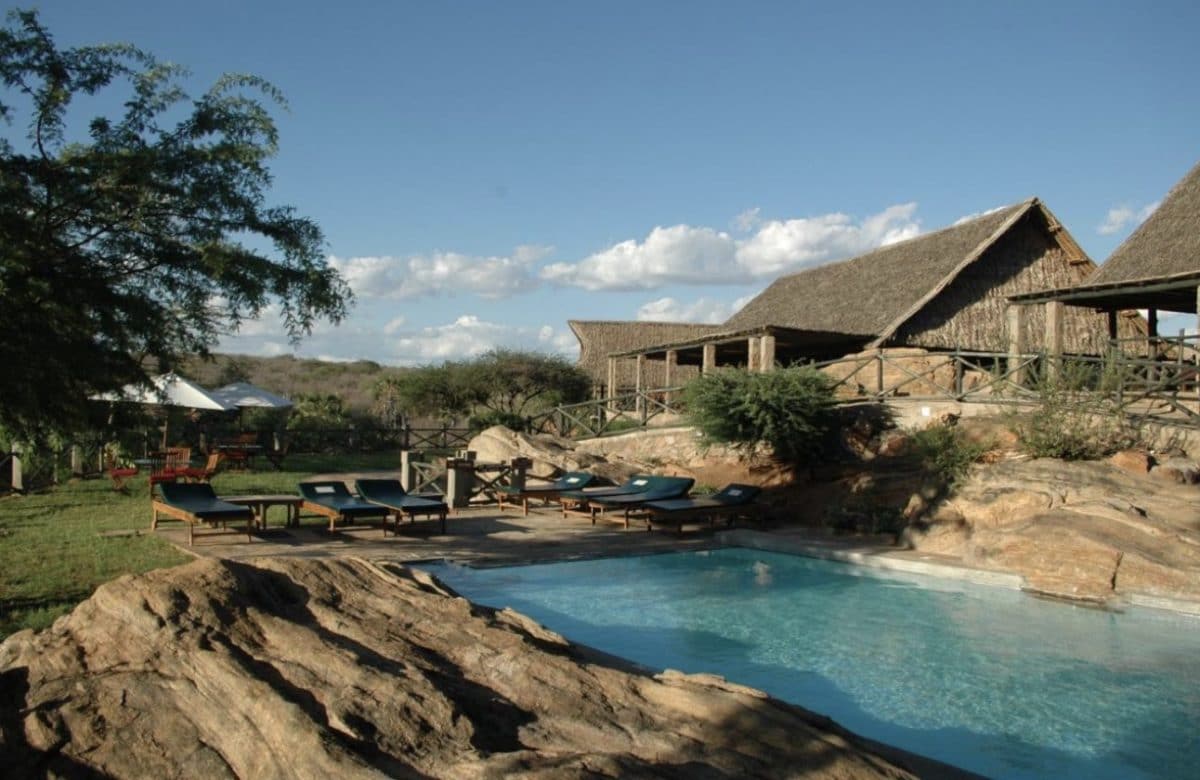
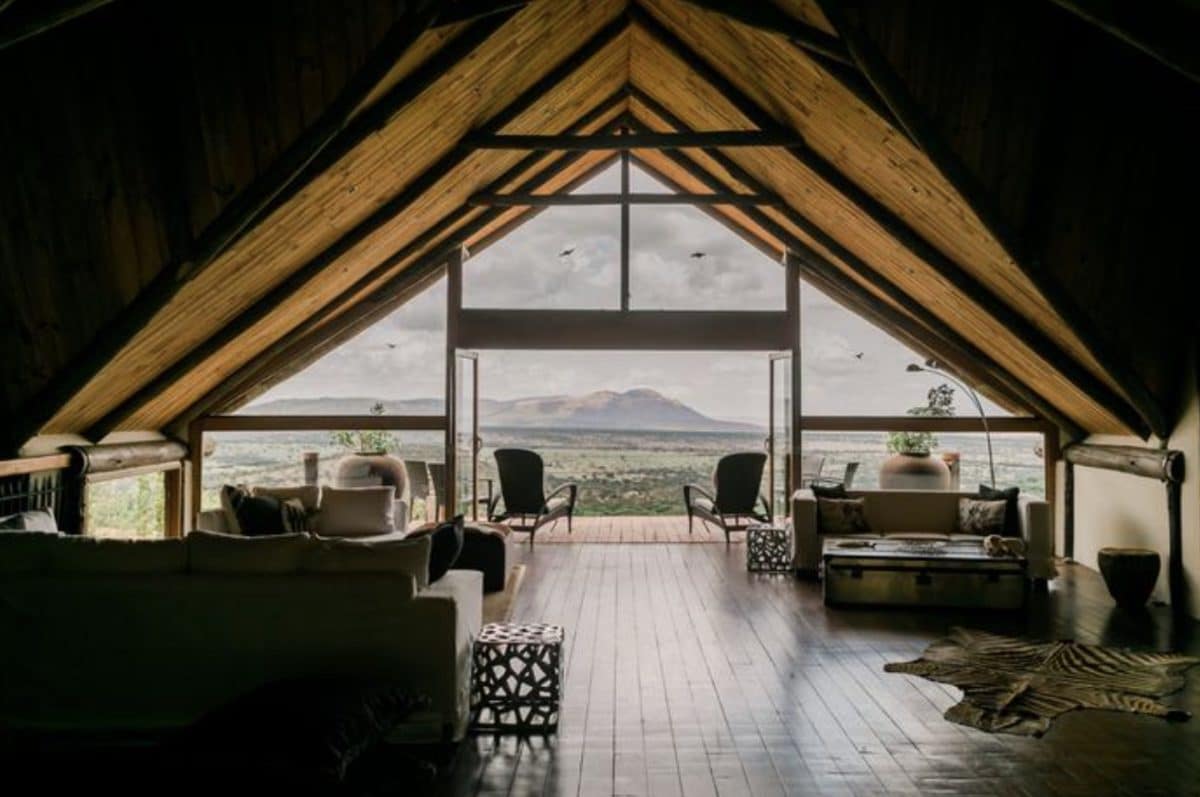
High end safaris – 700 USD per person per night
Example high end safari: Naibor Camp, Elephant Bedroom and Sarova Mara Game Camp.
What they include
- Accommodation in luxury tented camps and lodges with AC / fans
- Full board meals cooked by a private chef
- Full bar
- Wi-Fi
- Laundry service
- Transport in private safari vehicle
- Private English speaking guide
- Concierge / baggage handlers
- Park Fees
Does not include
- Flights to or in Kenya
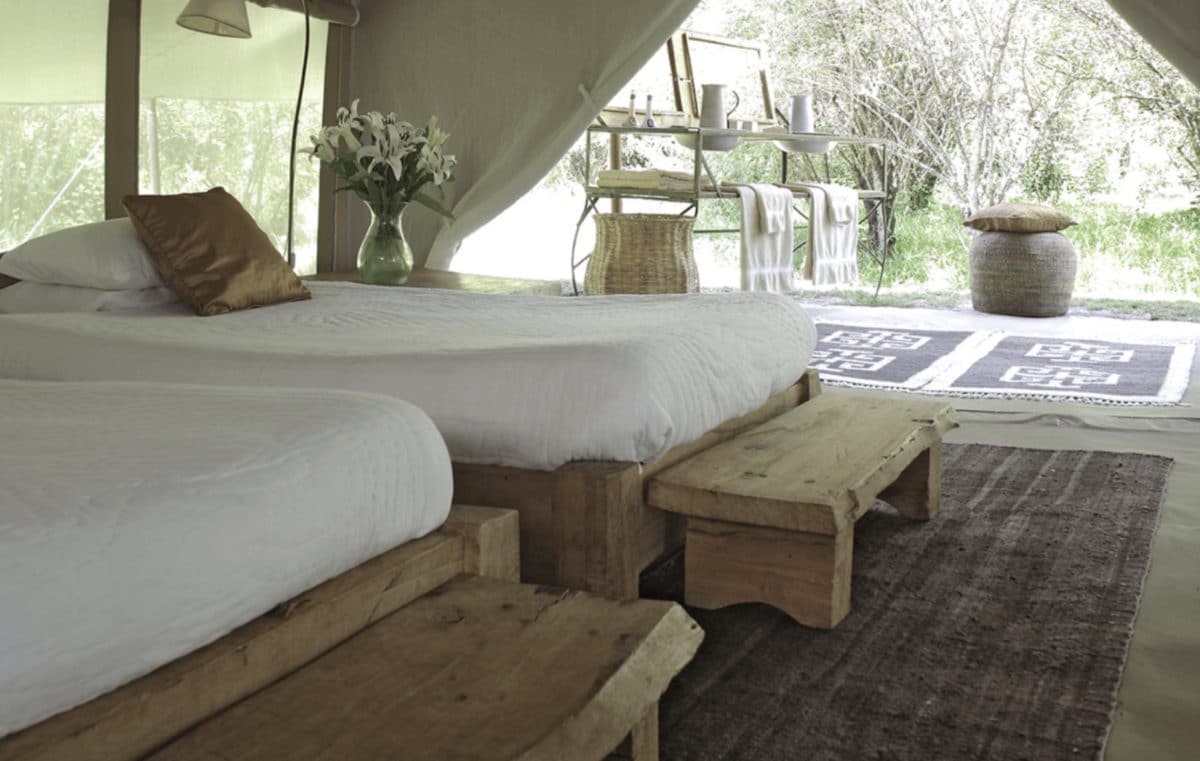
Luxury Safari – 1250 USD per person per night
Example luxury safari lodges Cottars 1920’s Camp, And Beyond Bateleur Camp and Mahali Mzuri.
What they include
- Accommodation in luxury tented camps and lodges, with AC / fans / freestanding bath
- Full board meals cooked by a private chef
- Full bar
- Wi-Fi
- Laundry service
- Massages, spa, swimming pool
- Yoga and meditation
- Transport in private safari vehicle not shared with other tourist
- Airport meet and greet and transport to and from the park by car or plane
- Private English speaking guide
- Concierge / baggage handlers
- Park Fees
- Extra activities such as trips to Maasai Village, nature walks, accompanied bush runs, Maasai warrior school, conservation talks.
Does not include
- Flights to Kenya
Additional expenses on Safari
- Flights: to and from Kenya, and around Kenya
- Vaccinations
- Malaria tablets
- Tips: please tip safari and tour staff
- Travel Insurance: see below for good travel insurance for Kenya
- Accommodation before and after your safari. Blog on where to stay in Nairobi, or best 5 star hotels in Nairobi.
Best time to go on a Kenyan safari
Kenya is temperate all year round. The highlands (Nairobi & central Kenya) can get cold in the winter months of July / August but days are usually warm. The closer you are to Mount Kenya (Ol Pejeta) the colder it gets, sometimes down to around 0 degrees C.
The Eastern, Southern and Northern regions are hot all year round.
The rainy seasons in Kenya are April – June (Long rains) and October – November (short rains). It’s inadvisable, but still possible, to go on a Kenyan safari during the long rains as the road can become very muddy and there is a strong chance you may get stuck. However, it doesn’t stop Kenyan residents and you will often find us on safari in the thick of a rainstorm.
The best time to go on safari in Kenya’s Maasai Mara is July to October during the Great Migration.
The wildlife in the other parks is abundant all year round. During the dry season (December to March) the lack of water means you will find more concentrated numbers of animals around the watering holes.
What to pack for a safari in Kenya?
Safari dress is casual. The days of dressing for supper are gone and comfort is the name of the game.
Pack light. You may be flying on light aircraft and there are weight restrictions.
Pack neutral colours. You don’t need full-on safari gear but it’s an idea to try not to stand out too much. You will invariably get covered in dust or mud. Designer clothes are not required.
Pack for comfort. Remember you will be sitting in a car for hours. Comfortable trousers, shorts and tops. A hat, sunglasses, and suntan lotion. And good sturdy boots (it’s not unusual to get stuck crossing a stream or lugga and you may have to get out of the car)
Pack in layers, the mornings can often be extremely cold but by the time the sun comes out mid-morning, it can be sweltering.
I have written several packing lists for a Kenyan safari.
Read them here: Female Packing List for Kenya What to pack for Kenya safari

Health and safety
Malaria is a risk in some areas, particularly in southern and western Kenya. Speak to your doctor about preventative medication and bring mosquito repellent. Most lodges will have mosquito nets.
Drink plenty of water and wear sunscreen and a hat, Kenya is nearly always hot and the African sun fierce.
Don’t keep food in your tent or room as the smell attracts wild animals.
Don’t walk around camp after dark, even if it is fenced. Wait for an escort to walk with you – again wild animals!
Read this blog on essential things to know before you go on safari.
Book Your Kenya Trip – Insider Tips
Find everything you need for visiting Kenya on my TRAVEL RESOURCES page.
Find everything you need for moving to Kenya in my THE EXPAT GUIDE TO LIVING IN NAIROBI book.
- Kenya Accommodation: Booking.com has the cheapest rates for hotels and guest houses in Kenya.
- Accommodation Reviews: TripAdvisor is my go-to portal for checking reviews on accommodation/restaurants in the local area. I never book without checking TripAdvisor first.
- ESIM: Airalo allows you to access the Internet from virtually any country without paying roaming charges
- Car Rental: Rental Cars is managed by Booking.com – guaranteed reliable.
- Tours and Guides in Kenya : Check out Get Your Guide and Viator – reputable companies that do tours within Kenya and East Africa.
- Travel Insurance: Travel insurance will protect you against illness, injury, theft, and cancellations. I recommend Visitors Coverage, which covers you for East Africa and offers ‘special insurance’ for safaris and adventure sports:
- Visitors Coverage
- Compensair – if you have a cancelled or delayed flight, you may get a refund.