
This is a guide to living in Nairobi specifically aimed at expats. So you’re moving to Nairobi or coming here for an extended holiday. You’ve seen the pictures, read Out of Africa, and spent hours perusing estate agents’ websites, but what’s it like to live in Nairobi as an expat?
Please note that I’ve tried to include a lot of the questions I am DM’d via this blog, but if you have more, I’d be happy to answer and add them to this list.
When I was moving to Nairobi, I was desperate to understand what my life would be like. Growing up in England, Kenya seemed like the last frontier, a savage land of wild animals and drought. It all felt so foreign and so far away from home. I was terrified. Judging by the number of emails I get, I believe that most foreigners who are moving to Nairobi feel the same. So here’s a guide to everyday life in Nairobi for expats.

Kenya is a complete immersion in another culture. There are spots in Nairobi where you can sit and pretend you are in Europe, but for the most part, it’s raw, real and utterly wonderful and frustrating at the same time. It’s also a marmite country. People love it or hate it
Weather in Nairobi
Living in Nairobi is hot, but not as hot as you may imagine. Sure, there are days when the grass turns blonde, and the sun beats down relentlessly, but it’s often cold, too. Most of the year, you will need a sweater in the evenings. When it rains, it is torrential, and the dusty roads turn to mud – a red mud that covers everything. Traffic jams are hectic, roads flood, and roofs leak. Luckily, it is only a few months a year. Click here for more information on Weather in Nairobi.
Roads in Nairobi
When living in Nairobi you need to expect roadworks (meaning piles of dirt and ditches full of rubbish) everywhere. In Nairobi, you rarely drive fast because of speed bumps, cows, Boda Bodas (motorbike taxis) buses, and people that swerve all over the road or drive down the centre of it, forcing you into a ditch… the ditch and you are going to happen, accept it and get a 4×4.
Driving in Nairobi
Driving in Kenya is on the left-hand side. You need a valid driver’s license and ID. There is Uber, Lyft and Bolt.
Driving in Kenya isn’t as hair-raising as it may first seem. I am a fairly timid driver but have developed a healthy dose of road rage which can be directed at Matatu (bus) drivers who try to cut me up. Kenyan roads have lots of potholes, heavy traffic jams, and matatus, and Boda Boda drivers bribe the police so that they can drive however they want. 9iIf you do the slightest thing wrong, cross a lane, talk on your phone, or go too fast (something that the matatus do all the time) then a police person will pull you over and fine you. Don’t do those things (or don’t get caught). Don’t be a wimp, and don’t be scared and you’ll be fine. Roads outside of Nairobi are much better than those in the city. Oh! And watch out for cows. Read my Guide to Travelling Around Kenya.

Cost of living in Nairobi
Things are more expensive than you might expect. Items sourced locally such as meat, vegetables and flowers are reasonable. Imported items are expensive. Think $10 a packet of cereal, washing powder $30. There are some great markets on the weekend, where you can pick up good deals, and you could check out the thrift markets for cheap clothing but I spend hundreds of dollars a week on food for my family of five, and we don’t live extravagantly. I wrote a full guide to the Cost of Living in Nairobi.
Animals in Nairobi
This may be more specific to Karen, but where I live in Nairobi there are wild animals everywhere. Monkeys visit our house daily and nick our food. Warthogs, giraffes, and baboons make a regular appearance on my run. I hear hyraxes and hyenas at night. Cows always cause traffic jams on the road. However, the most dangerous animals are restricted to Nairobi National Park. For me, the animals are the best part of living here.
Creepy Crawlies Living in Nairobi
Before I came here 50% of my time on google was spent searching snakes, spiders and insects in Nairobi. I hate the buggers. I’m pleased to tell you there are way fewer than you may think. Ive seen more spiders in England that in Kenya, but the creepy crawlies are on steroids in Kenya. A baboon spider the size of my hand, slugs and snails that surely crawled out of the gates of hell, and foot long centipedes. However, you rarely see them. I almost never see snakes.

Safety in Nairobi
Kenyans are a lovely people. On the streets, people wave to the kids in the car, and the security guards at all the gates smile and say, Jambo, you are gifted with bright smiles wherever you go. You don’t need to worry about visiting the villages or markets as you would in South Africa. However, like many places in the world, you need to exercise caution. In any environment where you could be considered more wealthy than the majority, it is wise to leave your valuables at home. Read Safety in Nairobi.
Shopping in Nairobi
One of the most wonderful things about living in Nairobi is the lack of consumerism. This is driven by low salaries and Kenya’s lacking the money to spend on luxuries. As a result, there isn’t a mainstream shopping experience in Kenya. While there are tons of shopping malls, many of them sit half empty or they all have the same shops. Read my Guide to Shopping in Nairobi.
If I fancy a wander and a browse, the best malls are The Hub, Junction and The Village market. I may head over to the street market, Mitumba at Toi for an enormous selection of second-hand clothes. You could bag great bargains if you are committed to rummaging around for a few hours.
Here’s a guide to Buying Organic Food in Nairobi and Online Shopping in Nairobi
Pace of Life and Daily Frustrations
Kenya teaches you to slow down, which is not a bad thing. East Africa’s slowly, slow way of thinking and tedious formalities can drive you mad at first (or even after 7 years). A trip to the supermarket involves rally driving to the mall and 2 or 3 security checks before you get into the supermarket. My local supermarket is Carrefour, which often stocks French cheese and Fois Gras, but you often can’t buy apples, tortillas or prosecco. There are frequently huge queues and you often get bumped from one till to another. Everything is slow and takes time… you can either embrace it or spend your time mainlining wine and tearing your hair out.
Kenyan Culture
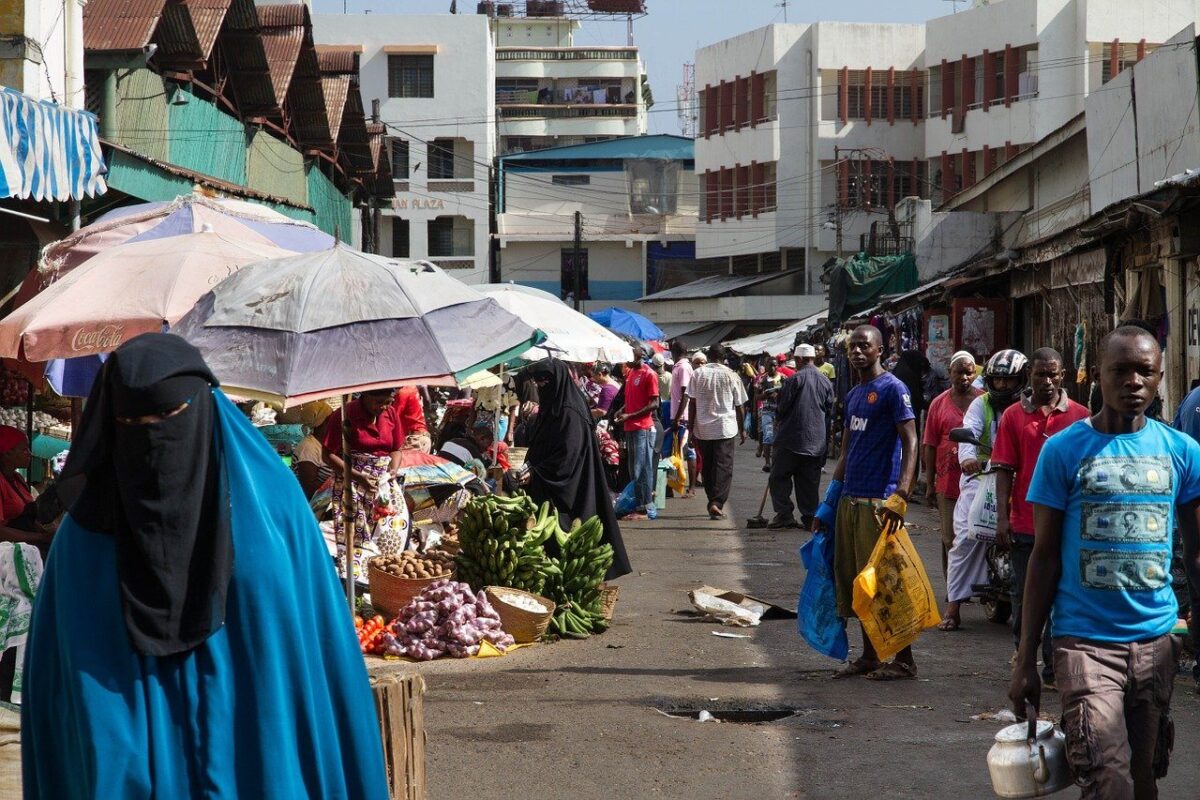
Culture is all around you, from people selling flowers, brightly coloured baskets and fruit & veg on the round-a-bouts to Maasai grazing their cows down a busy street. People light fires all over the place, sometimes to cook maize but sometimes just for the hell of it. In other countries in the world, you have to travel to a tourist destination to see how locals live here you are immersed in it. This is my favourite thing about Nairobi.
Employing staff in Nairobi
It’s pretty hard to get a job once you are already in Kenya, so don’t come here expecting to find employment. Some expats pick up jobs, such as teaching English with a TEFL diploma. Regardless of your employment status, you are expected to employ locally, thereby giving back to the community. Most people have someone to help around the house (housekeeper) to do the garden and maybe an Askari (guard). The cost of living has risen sharply in recent years. You can employ staff on very low salaries, but please consider that many people are single-handedly supporting entire families and sending money back home. Please pay fairly. The below estimates are the very minimum you should pay, and may people will supplement this with travel costs, free accommodation, extra money for babysitting and late nights.
- Domestic worker/house help: 35,000 KSH / 350 USD Per Calendar Month
- Security guard: 45,000 KSH / 450 USD PCM
- Gardener: 30,000 KSH / 300 USD PCM
- Driver: 40,000 USD / 400 USD PCM
There’s so much more.. the list is endless… look at my blog for some more practical insights, ideas of schools and places to eat, or hit me up if you just want to chat. For some further reading, see below.
Further Reading about Living in Nairobi
https://theexpatmummy.com/21-incredible-family-friendly-resorts-in-kenya/
https://theexpatmummy.com/45-unmissable-kenya-tourist-attractions/
https://theexpatmummy.com/expat-housing-nairobi-find/
https://theexpatmummy.com/essential-things-before-visiting-kenya
Book Your Kenya Trip – Insider Tips
Find everything you need for visiting Kenya on my TRAVEL RESOURCES page.
Find everything you need for moving to Kenya in my THE EXPAT GUIDE TO LIVING IN NAIROBI book.
- Kenya Accommodation: Booking.com has the cheapest rates for hotels and guest houses in Kenya.
- Accommodation Reviews: TripAdvisor is my go-to portal for checking reviews on accommodation/restaurants in the local area. I never book without checking TripAdvisor first.
- ESIM: Airalo allows you to access the Internet from virtually any country without paying roaming charges
- Car Rental: Rental Cars is managed by Booking.com – guaranteed reliable.
- Tours and Guides in Kenya : Check out Get Your Guide and Viator – reputable companies that do tours within Kenya and East Africa.
- Travel Insurance: Travel insurance will protect you against illness, injury, theft, and cancellations. I recommend Visitors Coverage, which covers you for East Africa and offers ‘special insurance’ for safaris and adventure sports:
- Visitors Coverage
- Compensair – if you have a cancelled or delayed flight, you may get a refund.
Pingback: Finding expat housing Nairobi - how to find your Nairobi expat home | Live Travel Kenya
Pingback: 8 Kenyan bloggers for essential travel reading | The Expat Mummy
Pingback: Cost of Living Kenya 2021 | The Expat Mummy
Pingback: Cost of Living Kenya 2021 - The Expat Mummy